Category: Events
Event posts
-
Let Them Cook
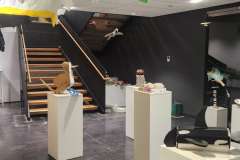
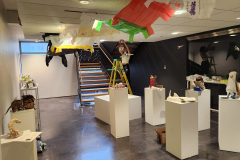
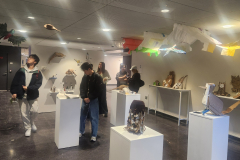
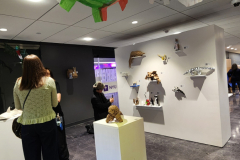
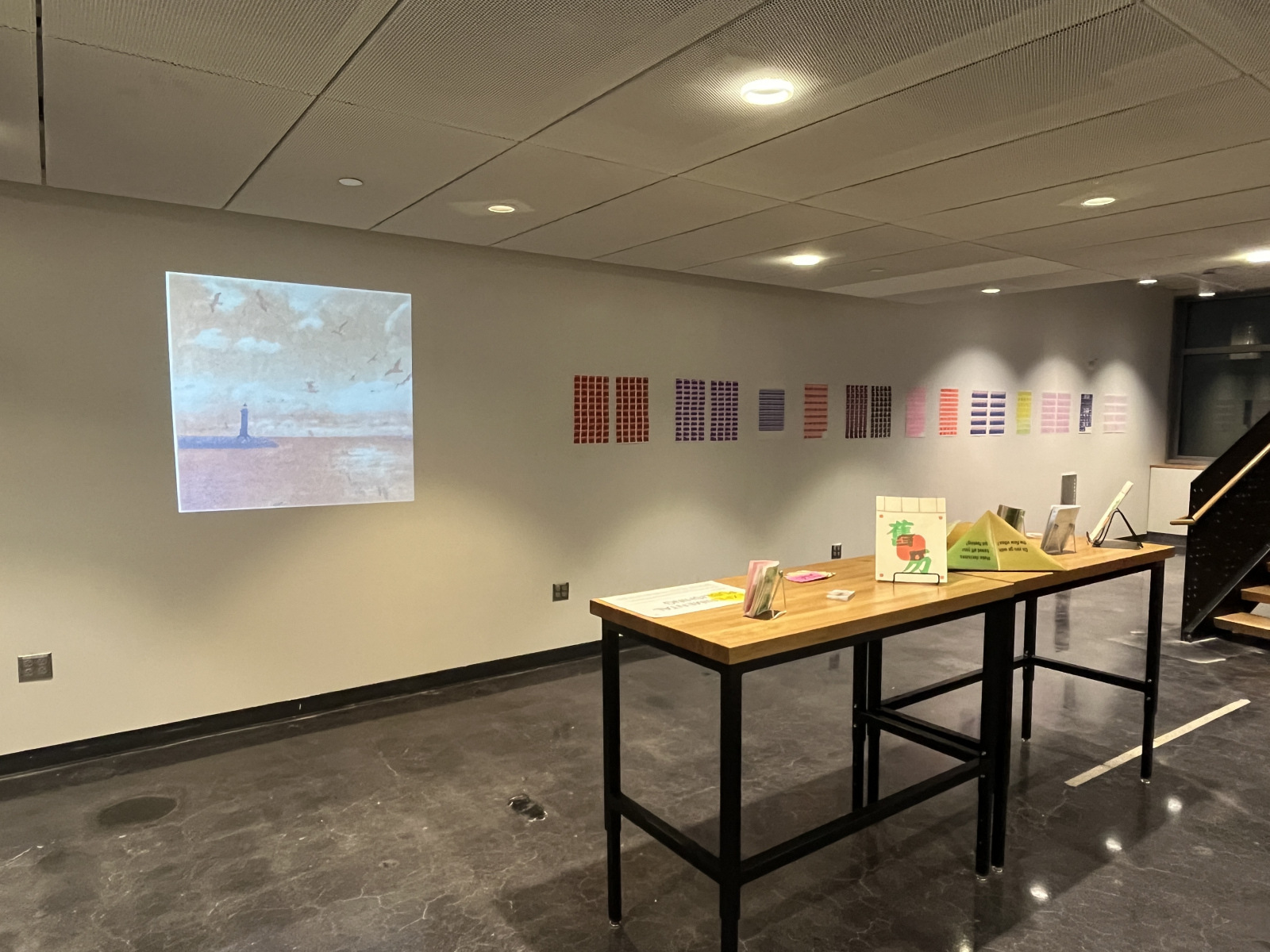
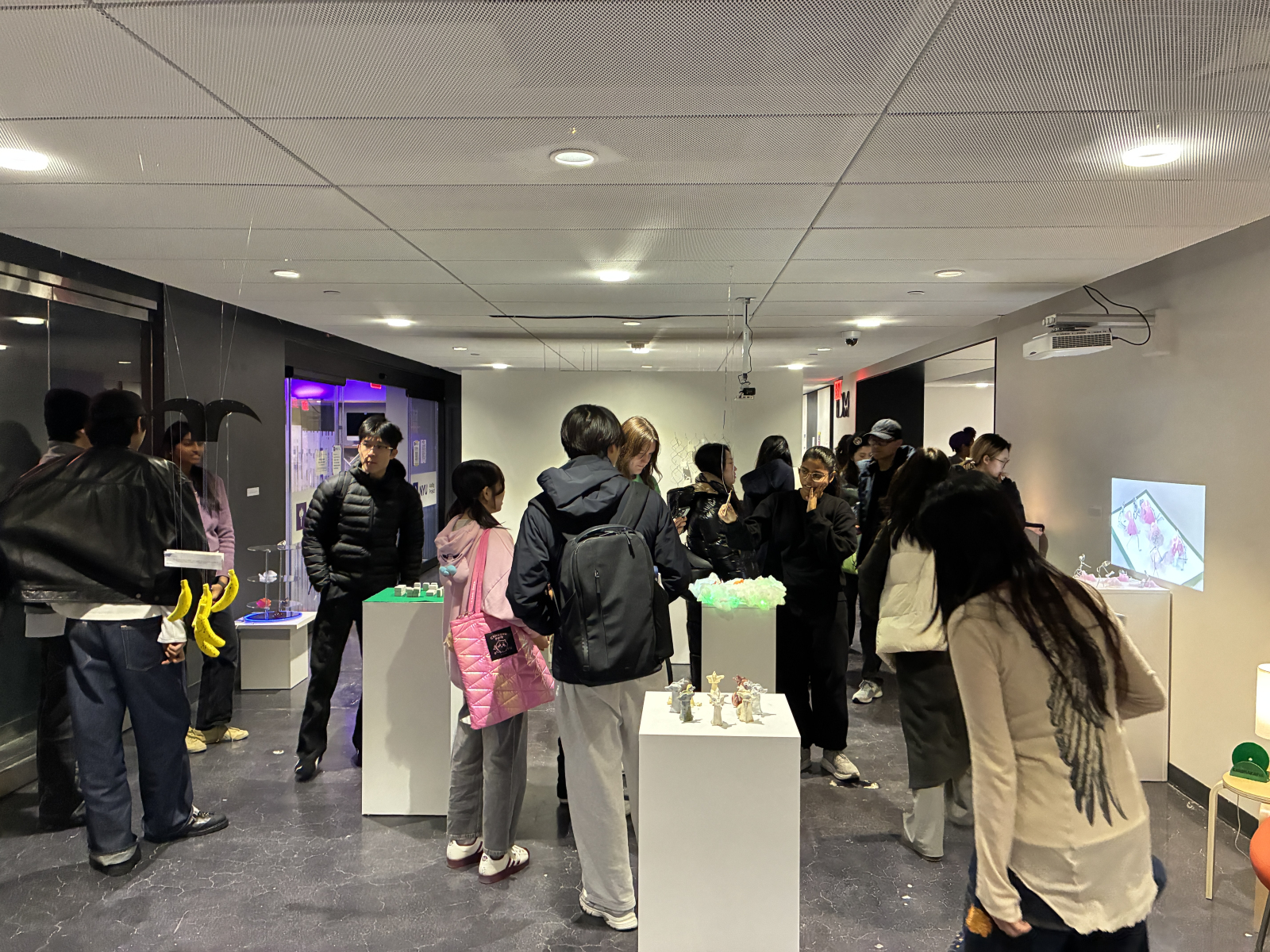
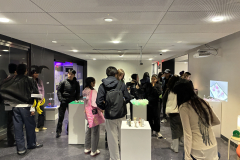
Let Them Cook presents experimental prototypes developed by graduate students in Interaction Design Studio. The exhibition foregrounds learning through making, highlighting projects created during the first phase of the course as students explore the foundations of physical computing. Rather than polished final works, the gallery becomes a space for testing systems, assembling circuits, and experimenting with responsive materials.
Across the exhibition, sensors, motors, microcontrollers, and custom-built interfaces translate touch, movement, light, and sound into motion, illumination, and digital feedback. Wires remain visible and components are exposed, emphasizing the iterative nature of design and the technical competencies students develop as they learn to build interactive systems.
Together, the works invite visitors into a moment of active experimentation. The gallery becomes a laboratory where ideas are prototyped, behaviors are tested, and early concepts begin to take shape before evolving into larger installations later this semester.
Featured Artists:
M’Kiyah Baird
Noah In
Hongxin Li
Wenny Lyu
Elva M. Perdomo
Trevor Pitt
Anantak Singh
Tanvi Singh
Linzhi Wang
Scarlett Wang
Yueyi Wang
Annie Zhang
Xueyun ZhangInstructors:
Camila A. Morales
Ofer Shouval -
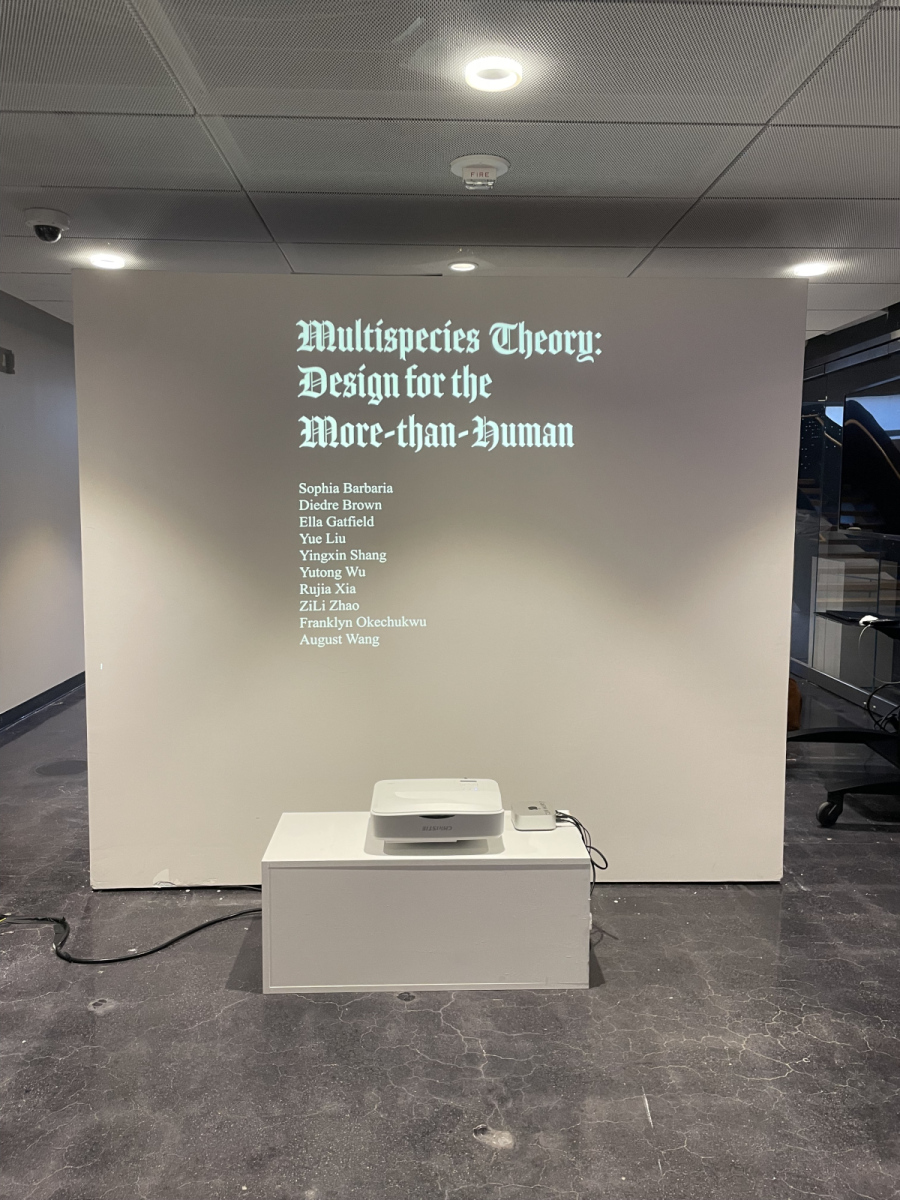
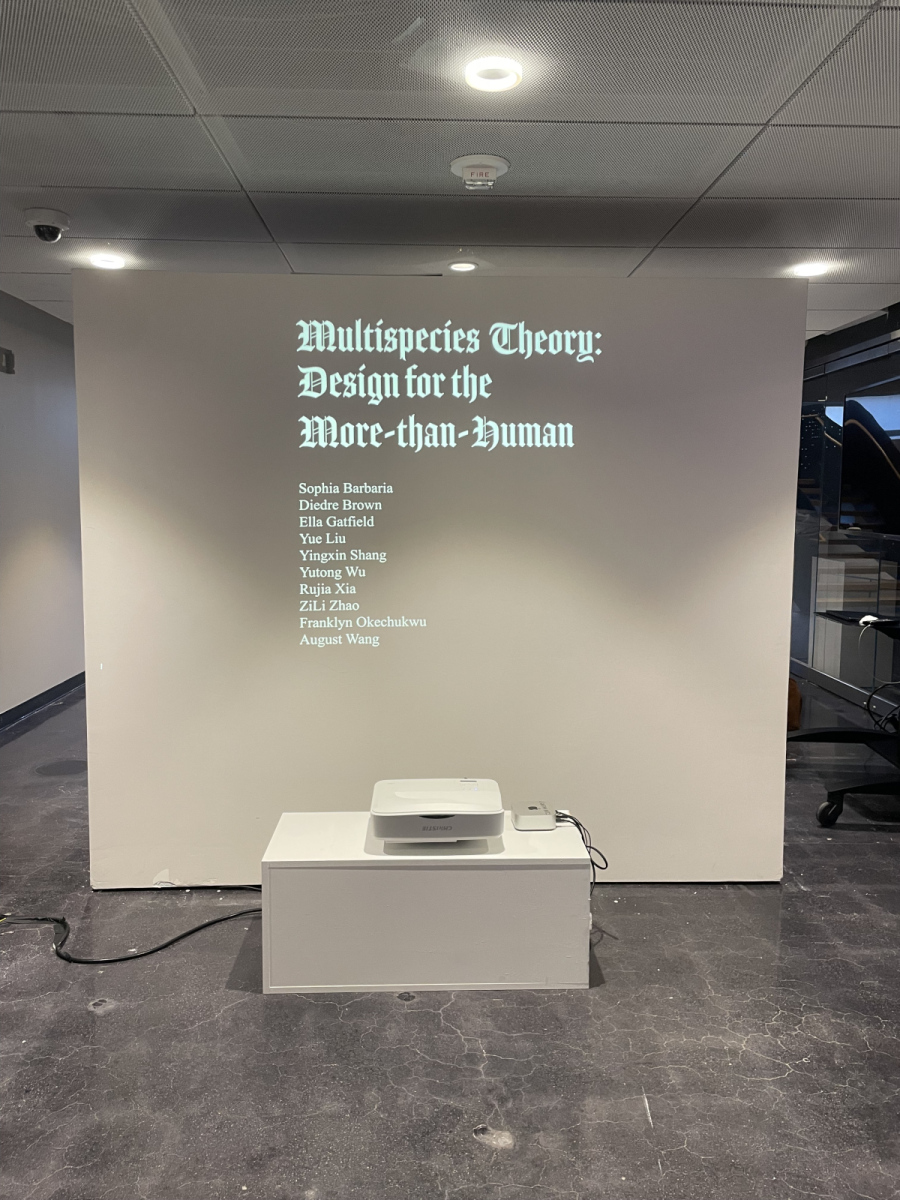
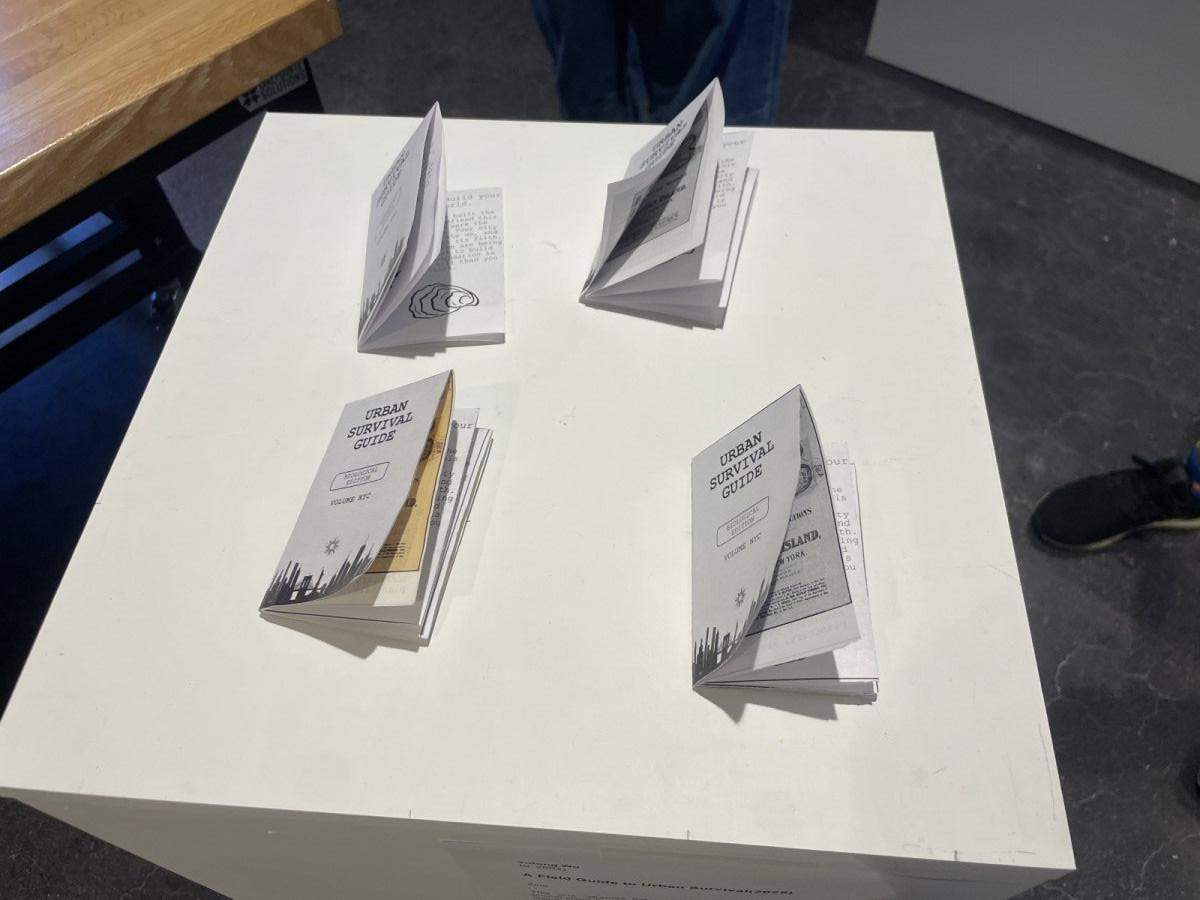
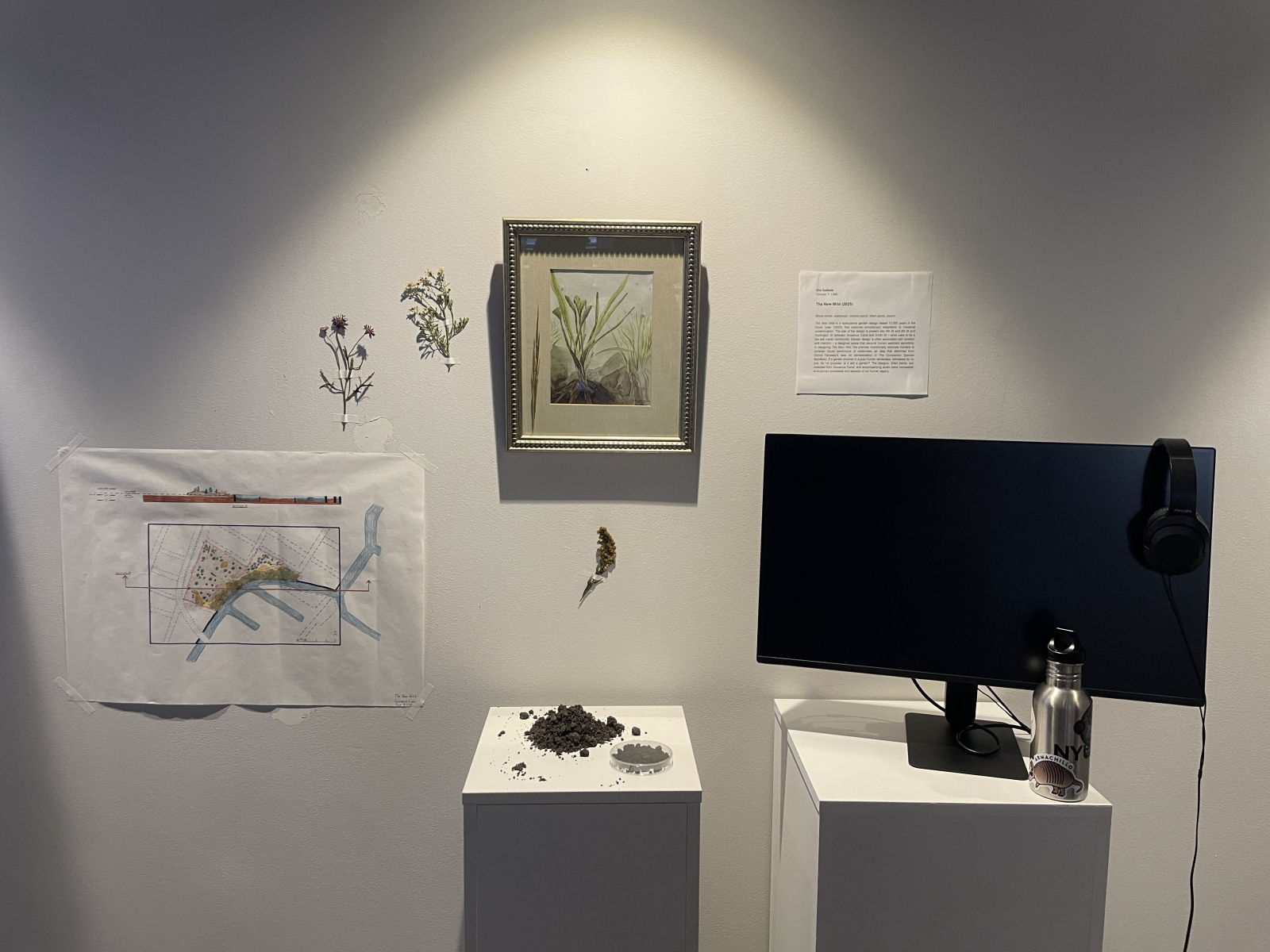
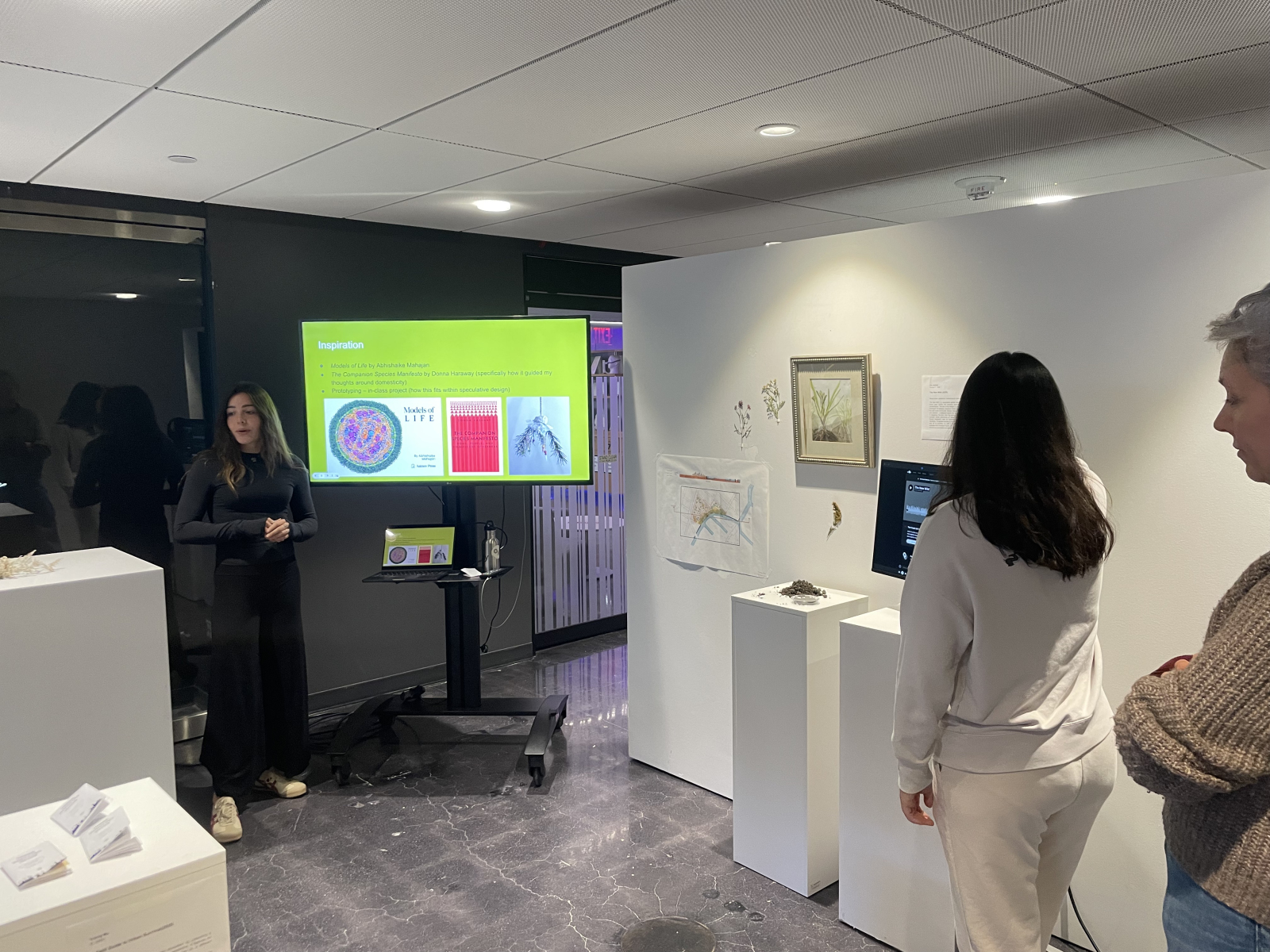
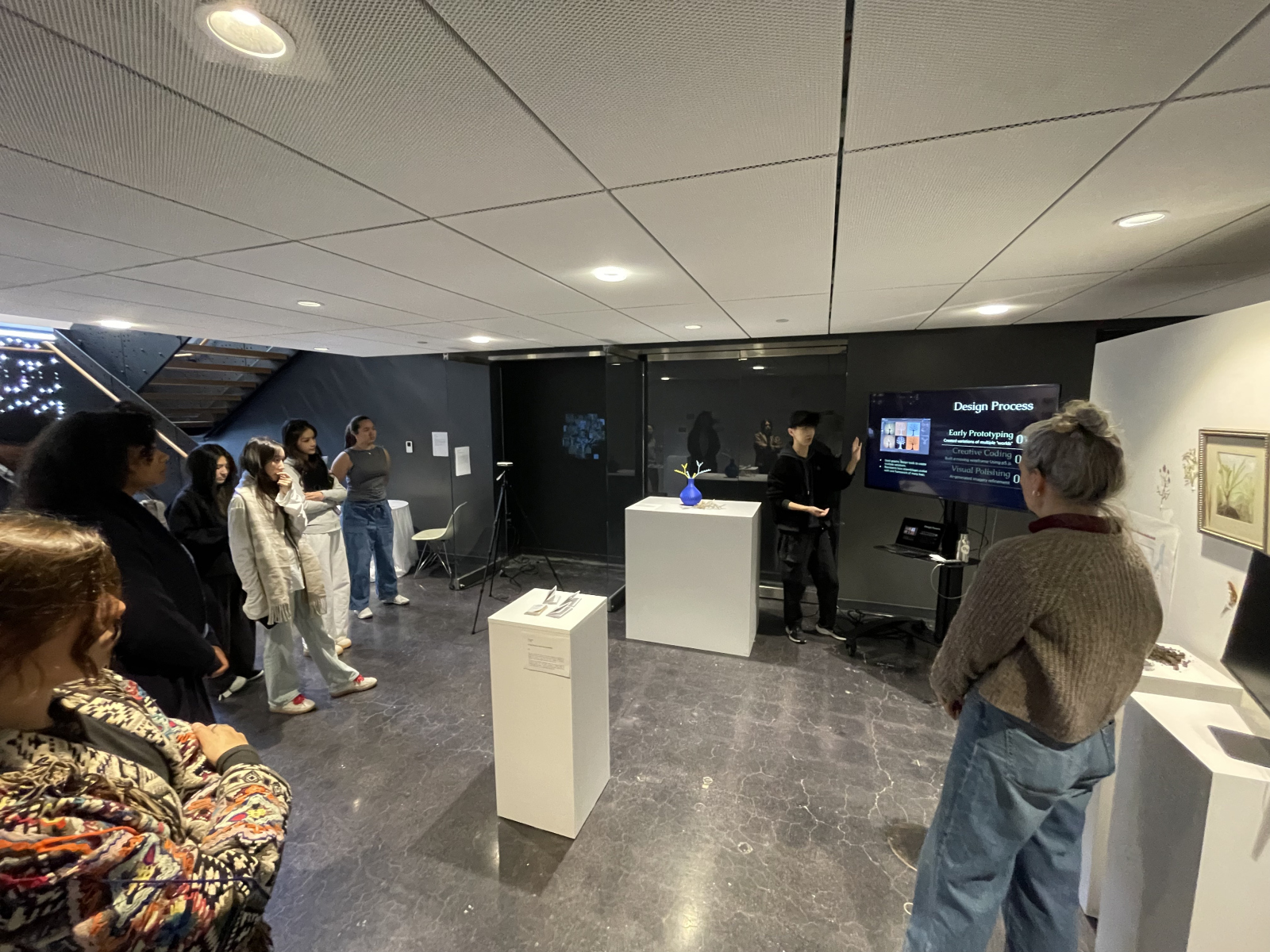
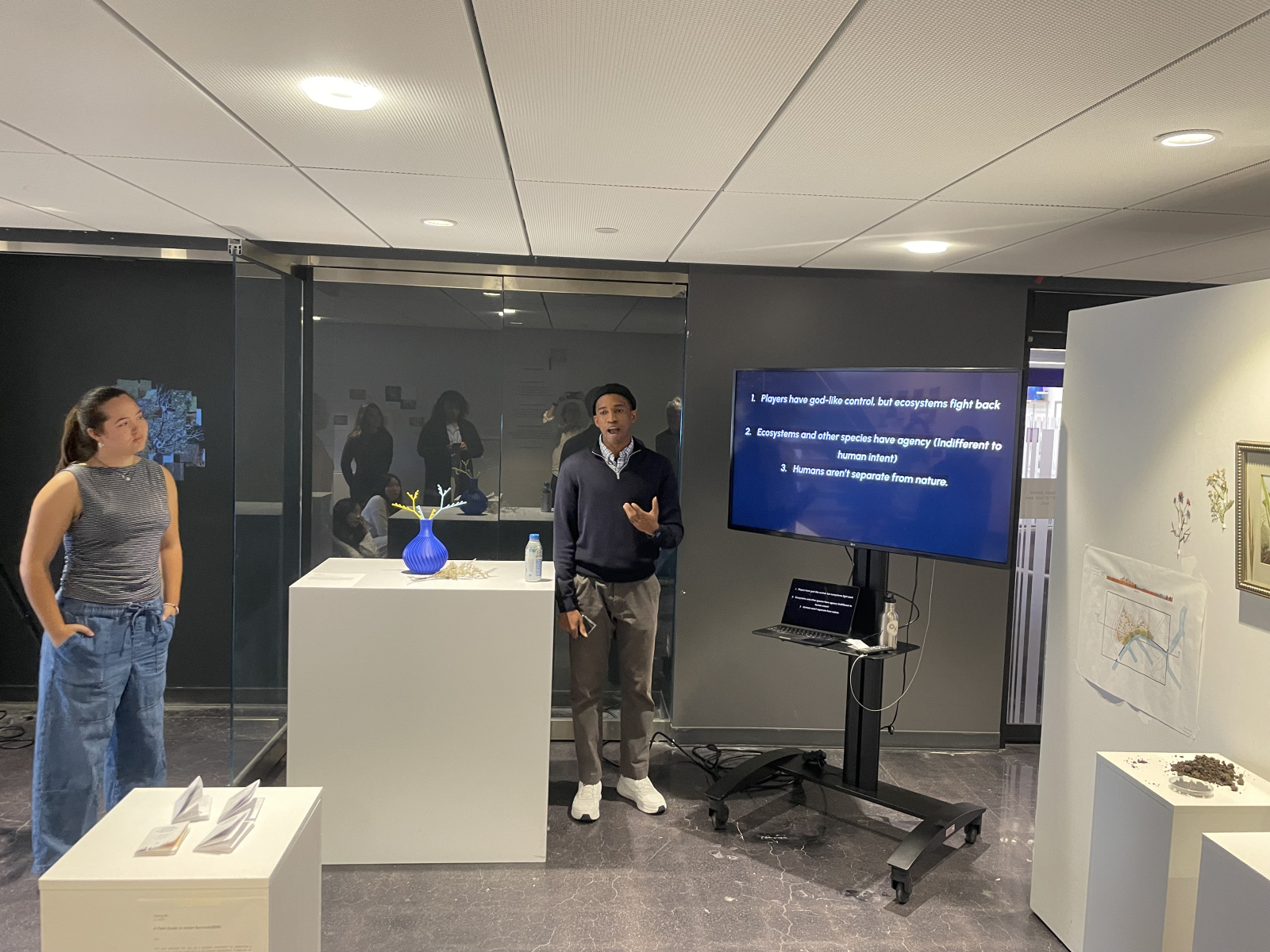
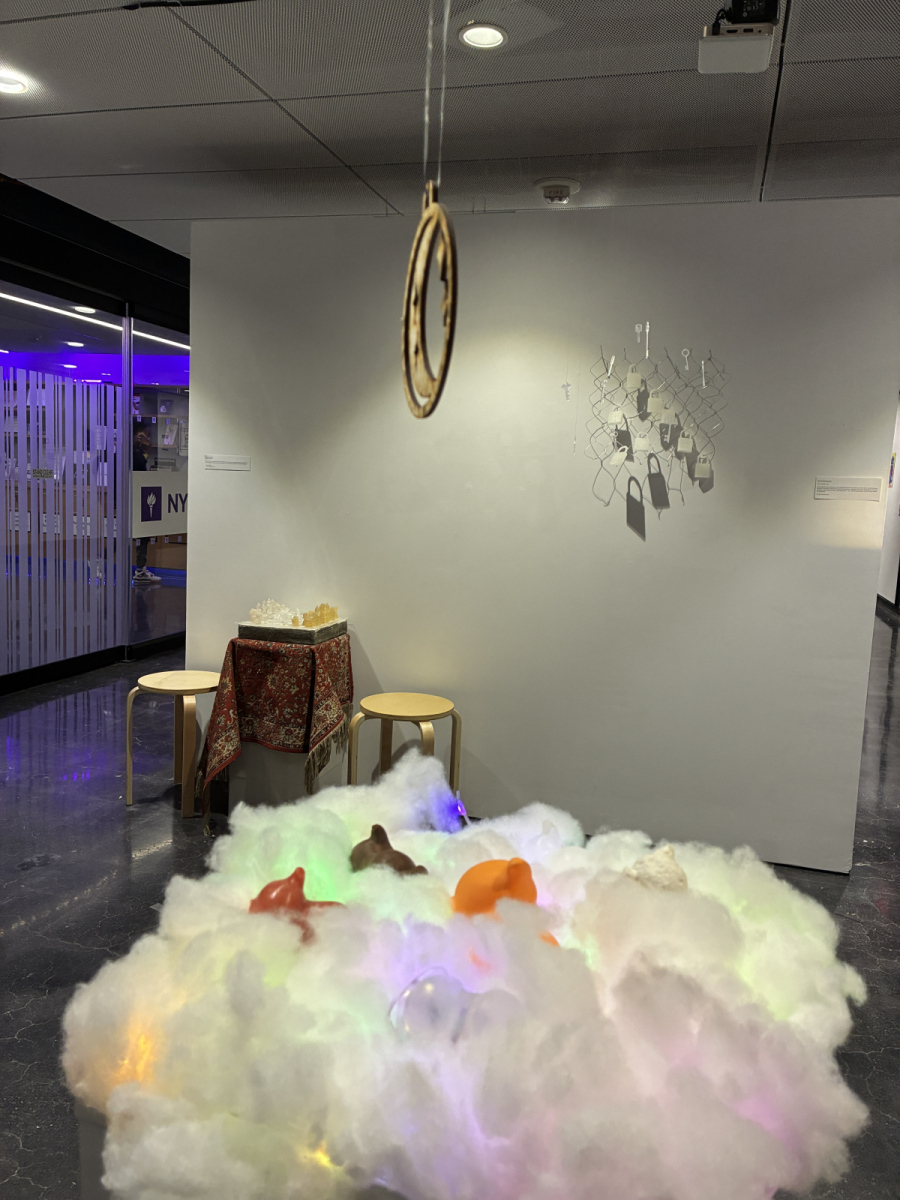
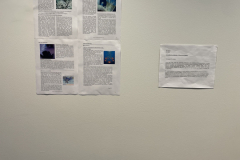
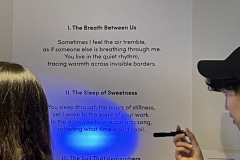
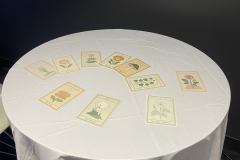
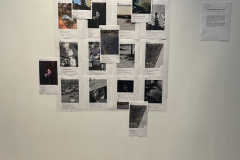
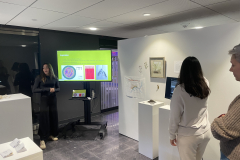
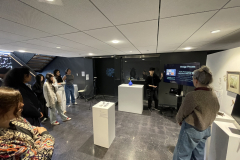
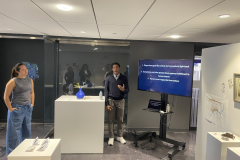
Multi-species Theory : Design for the More-than-Human
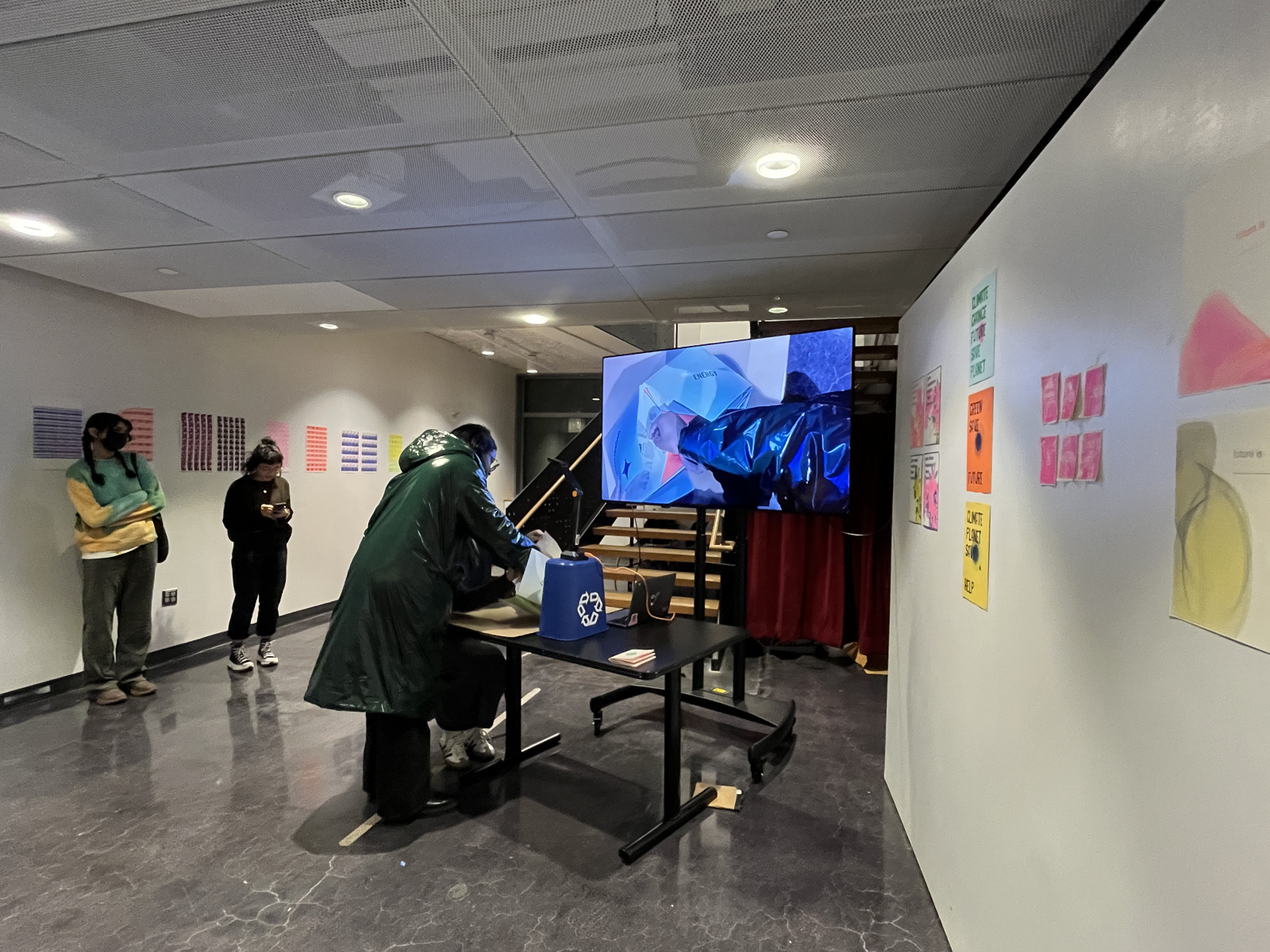
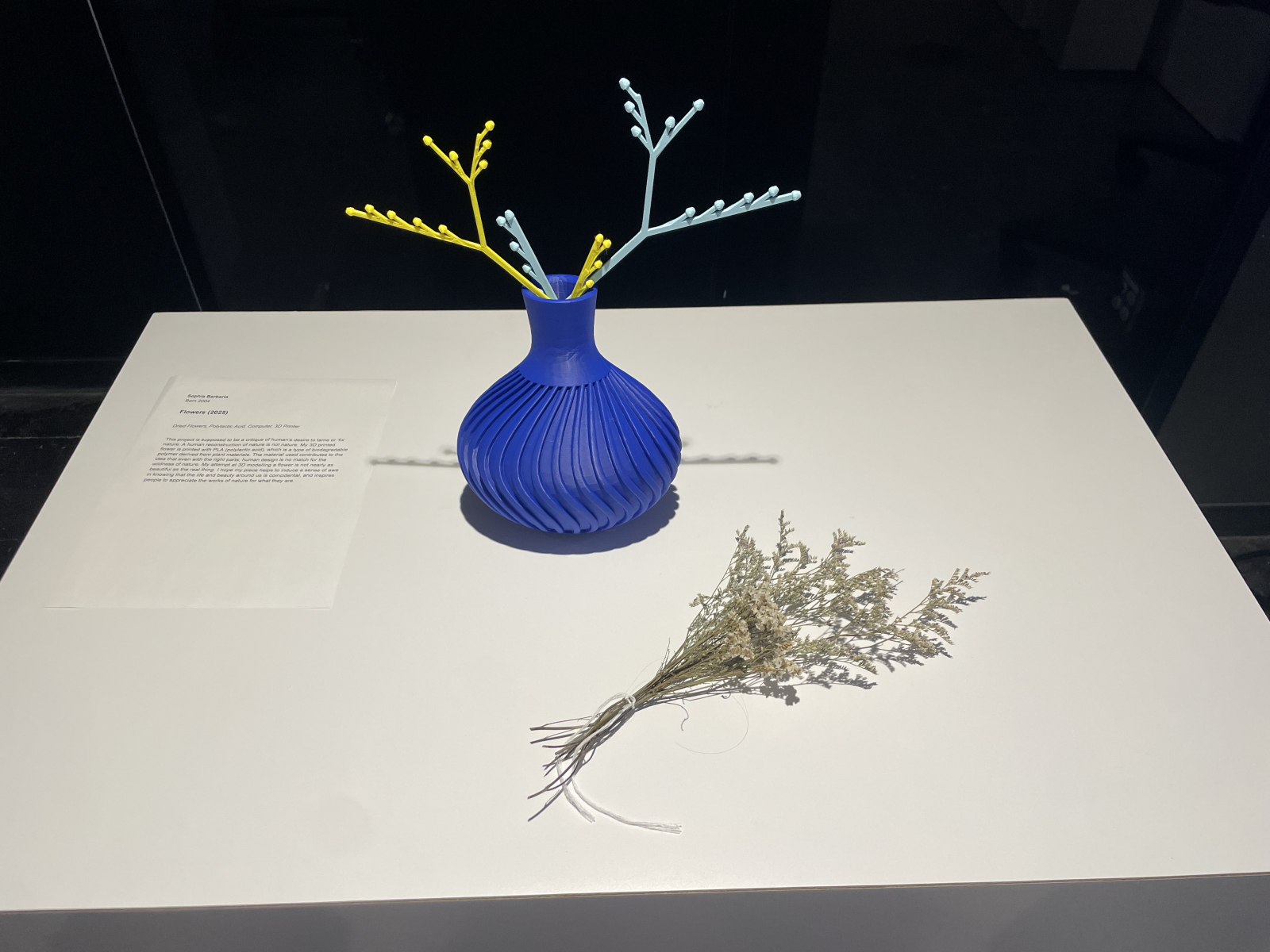
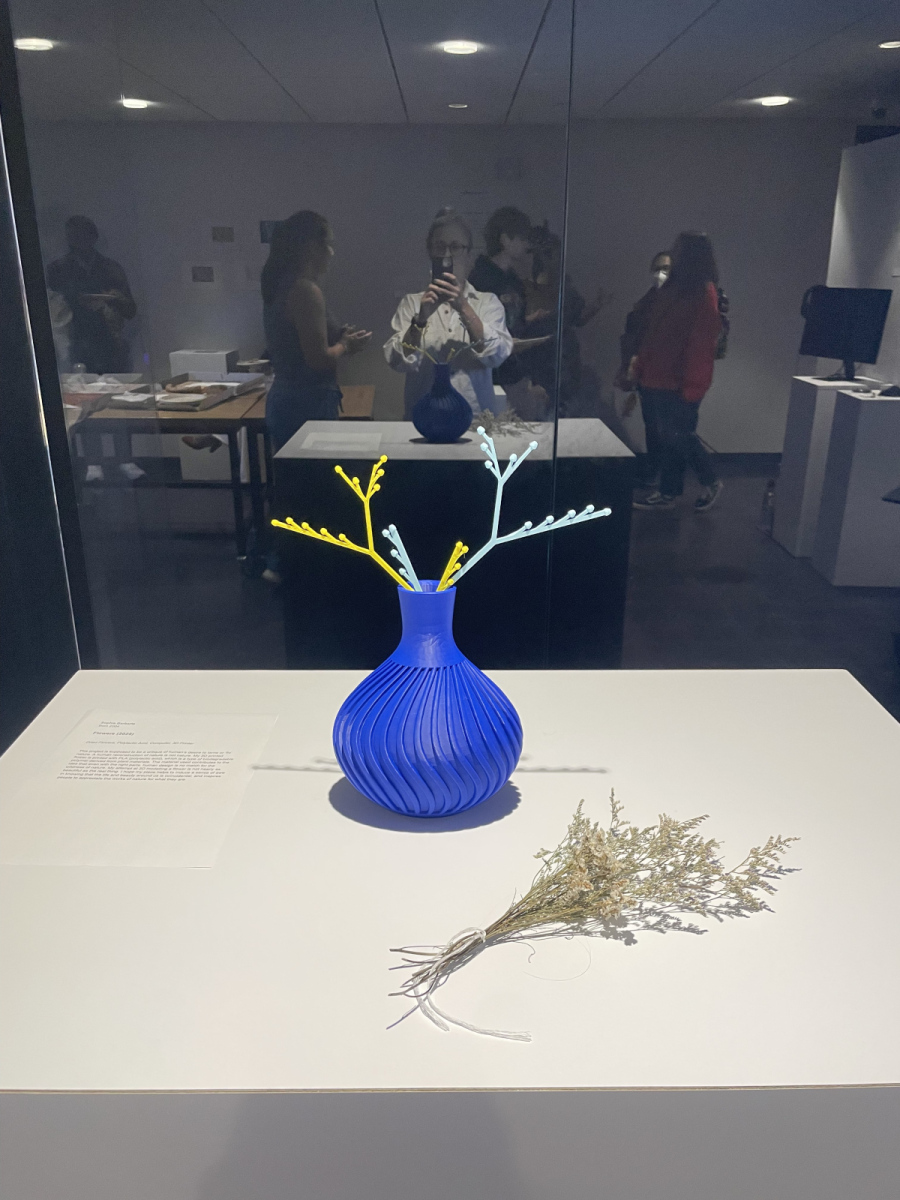
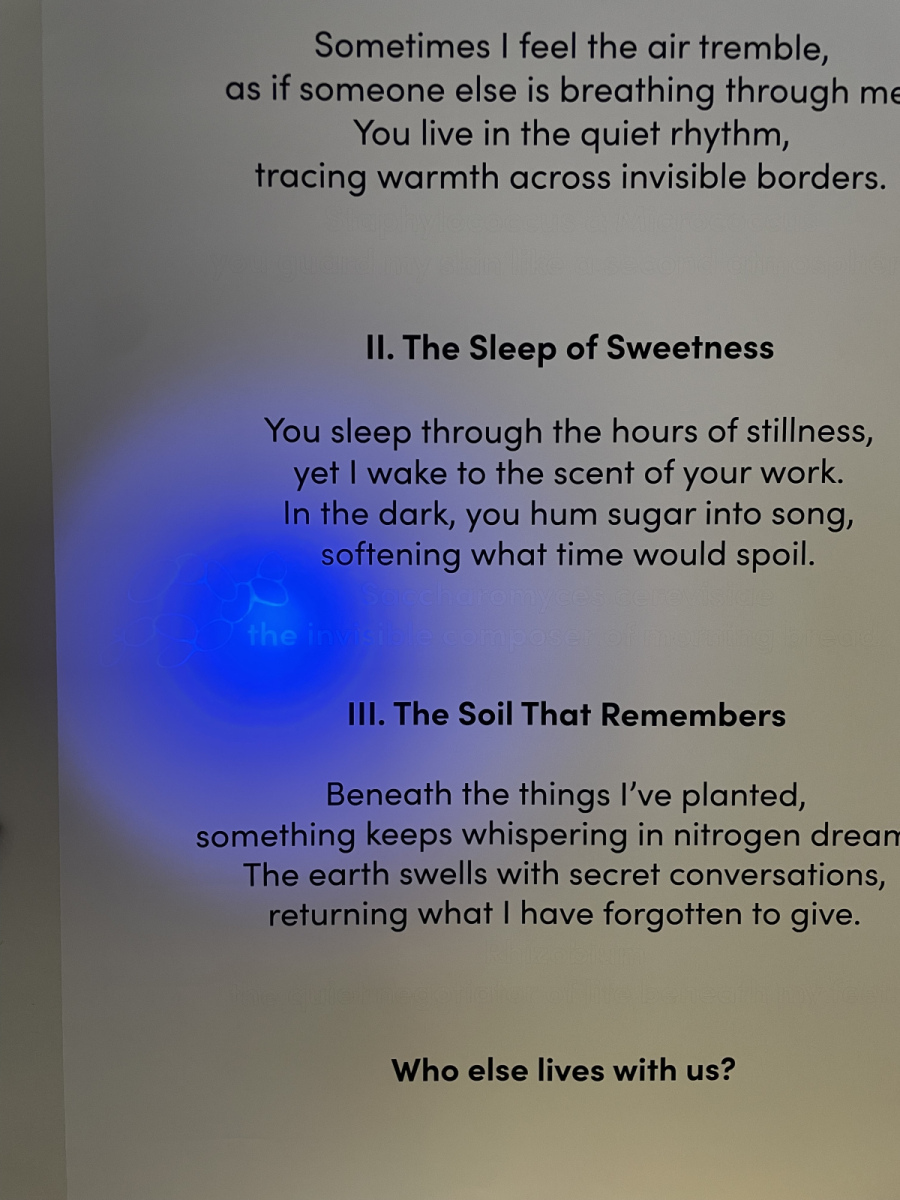
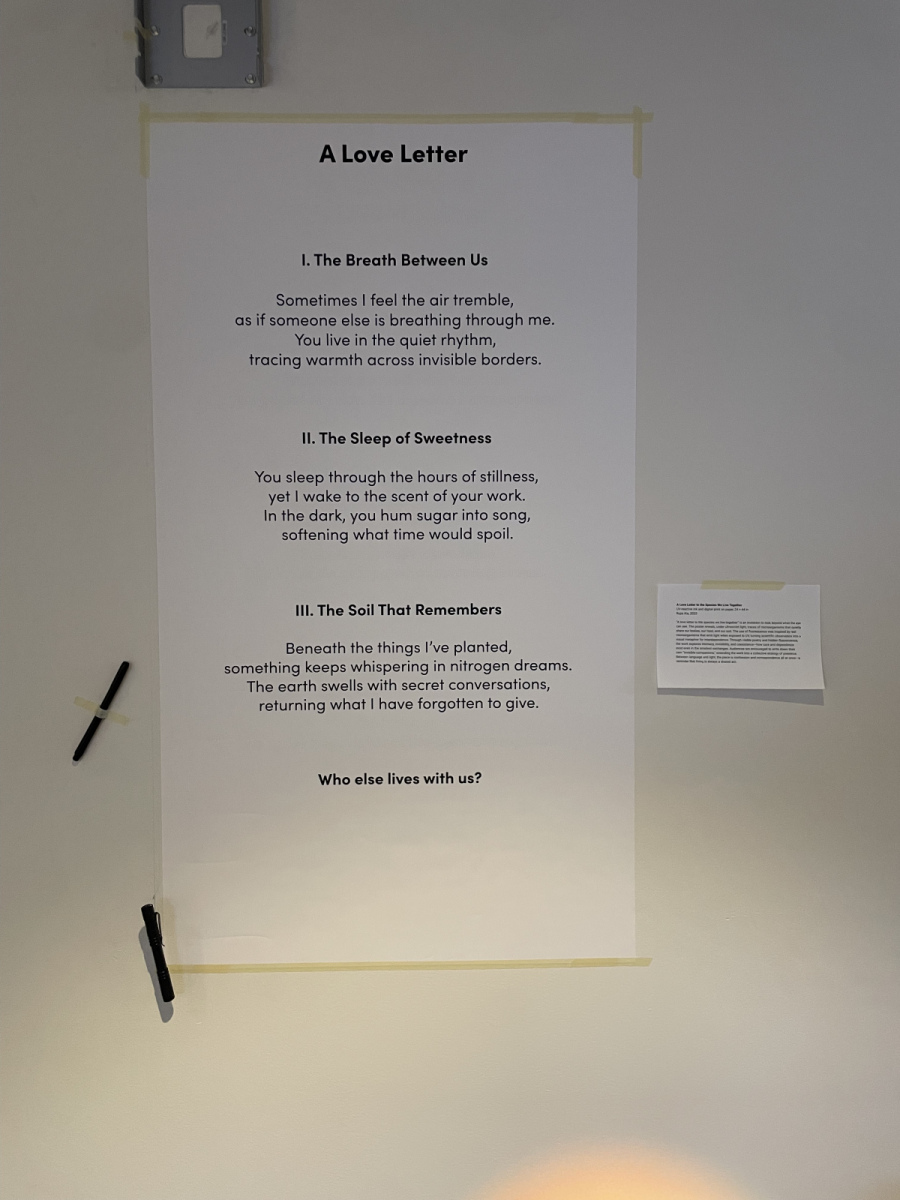
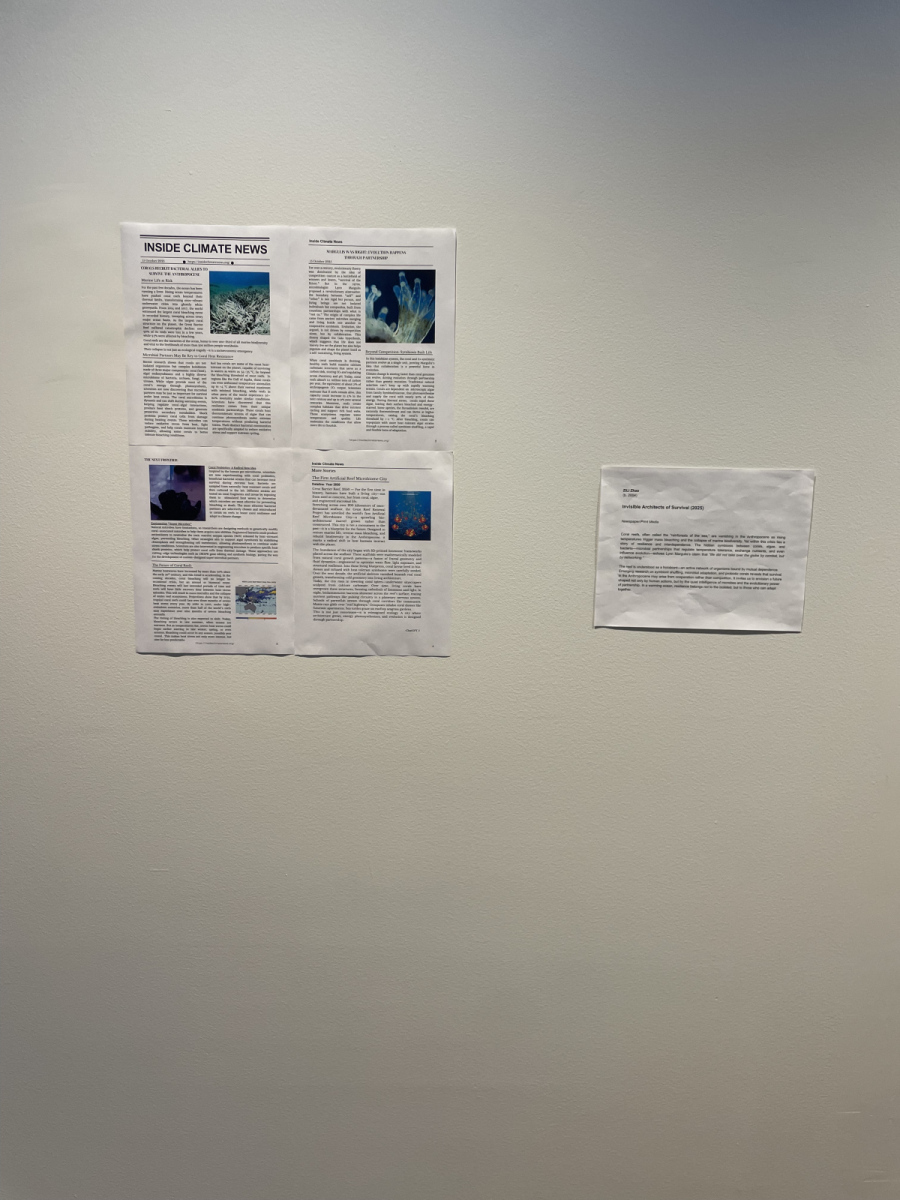
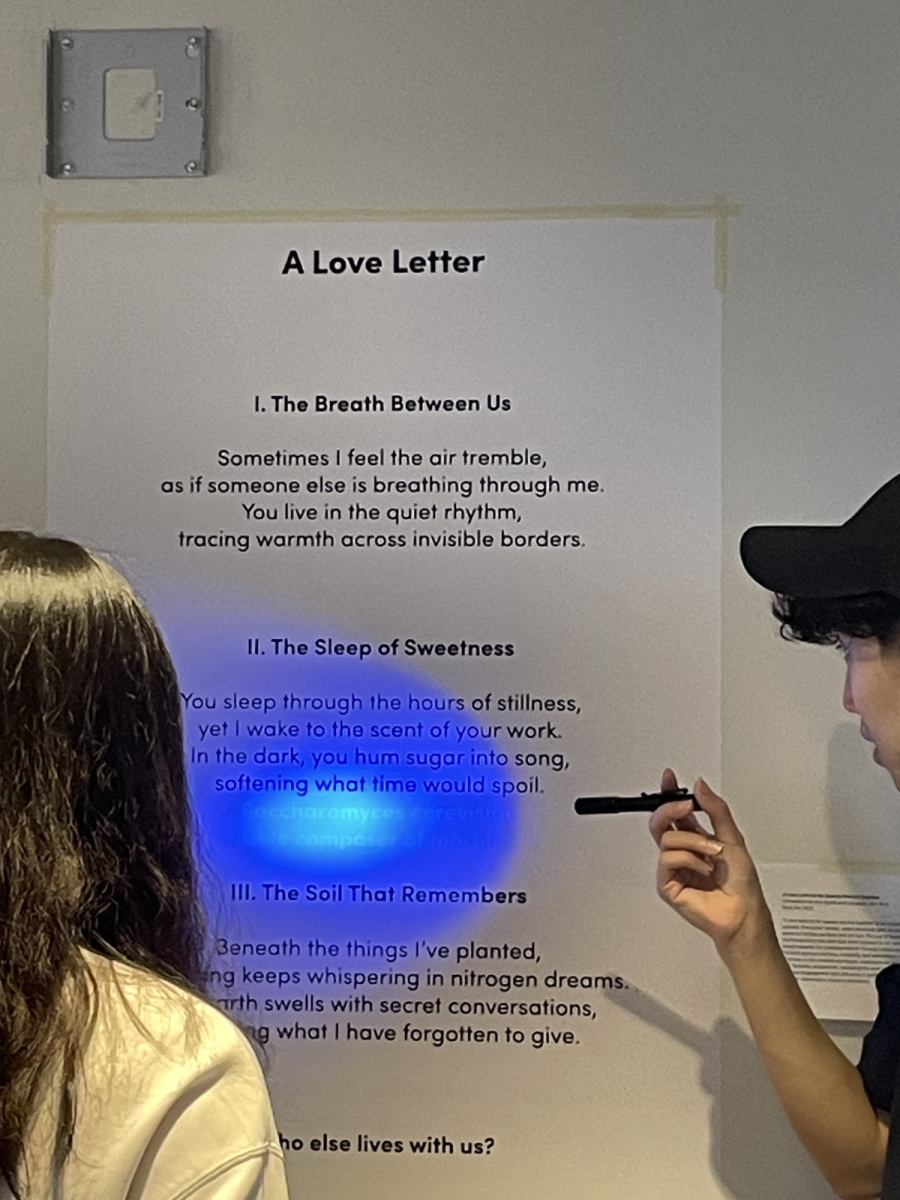
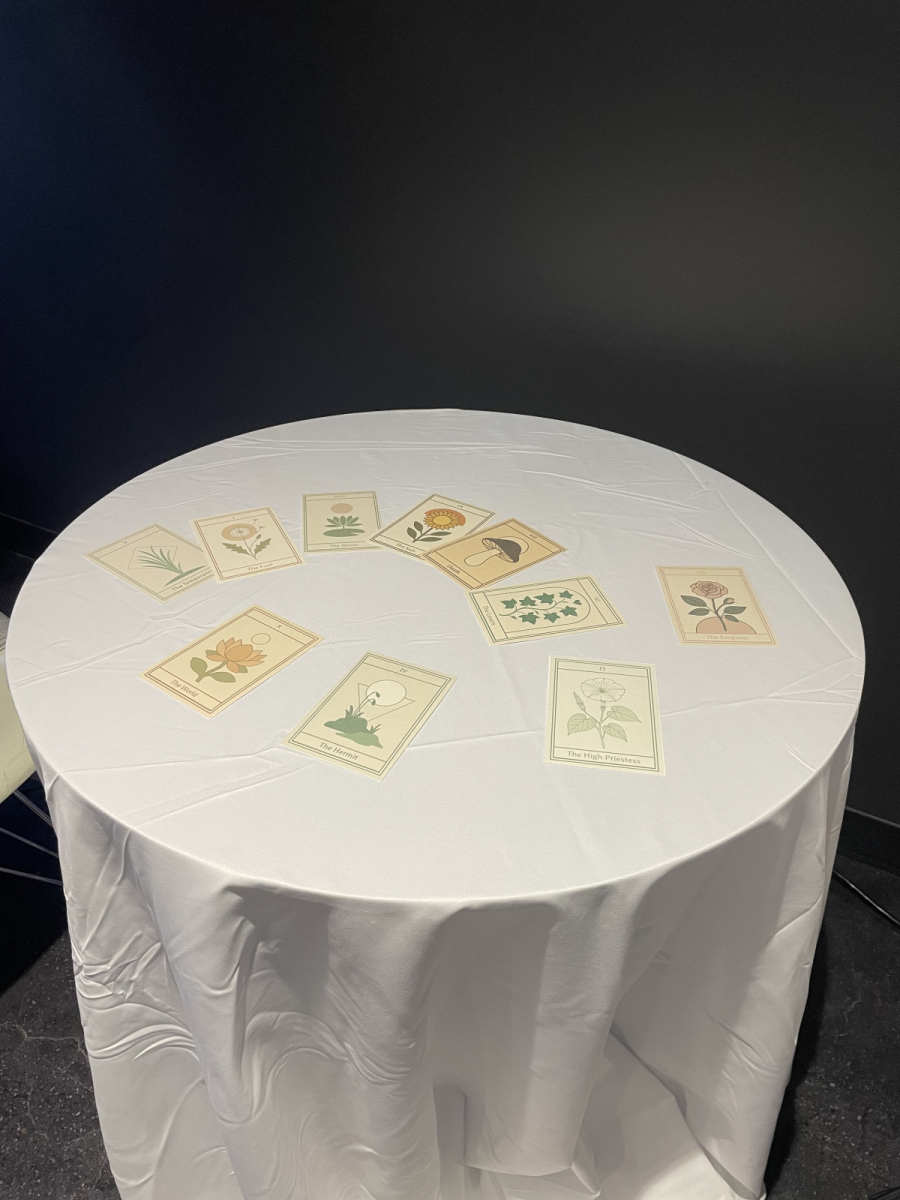
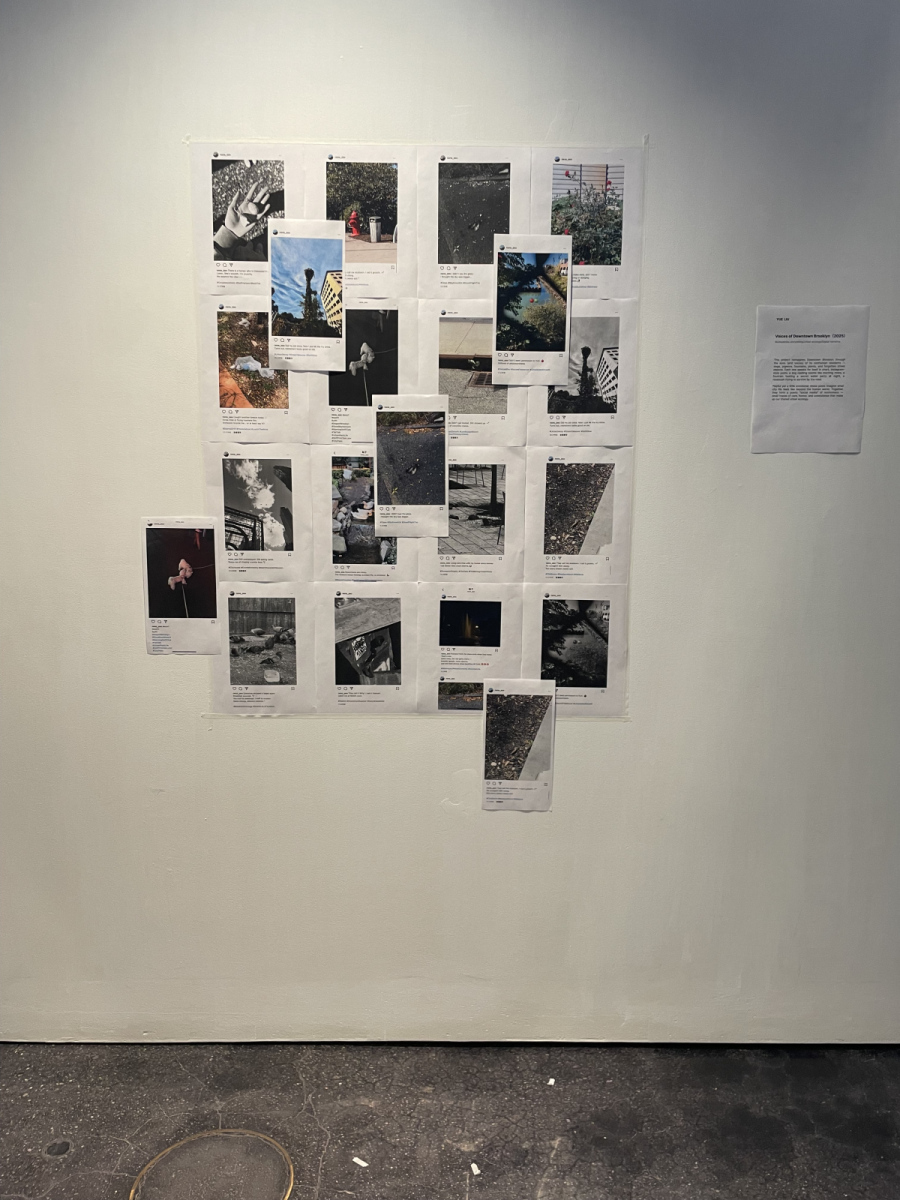
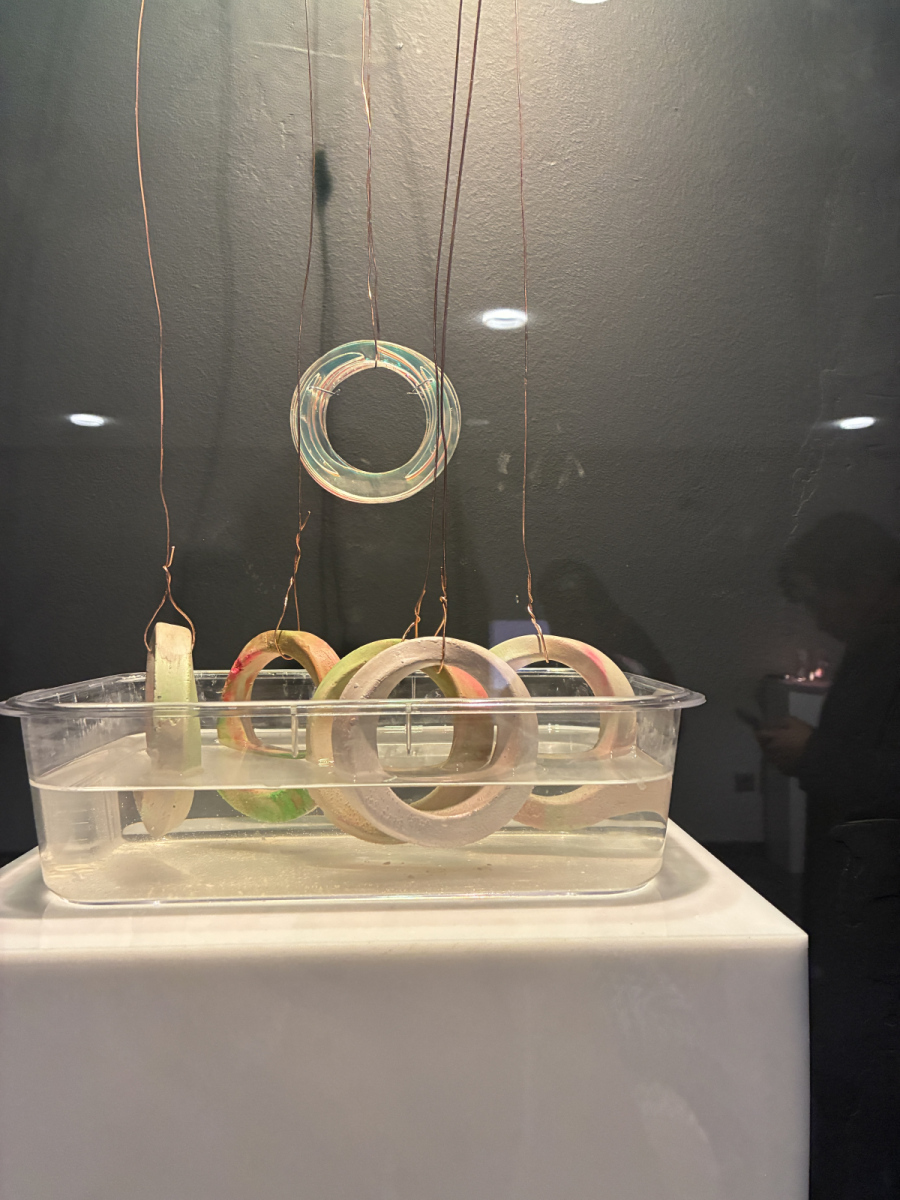
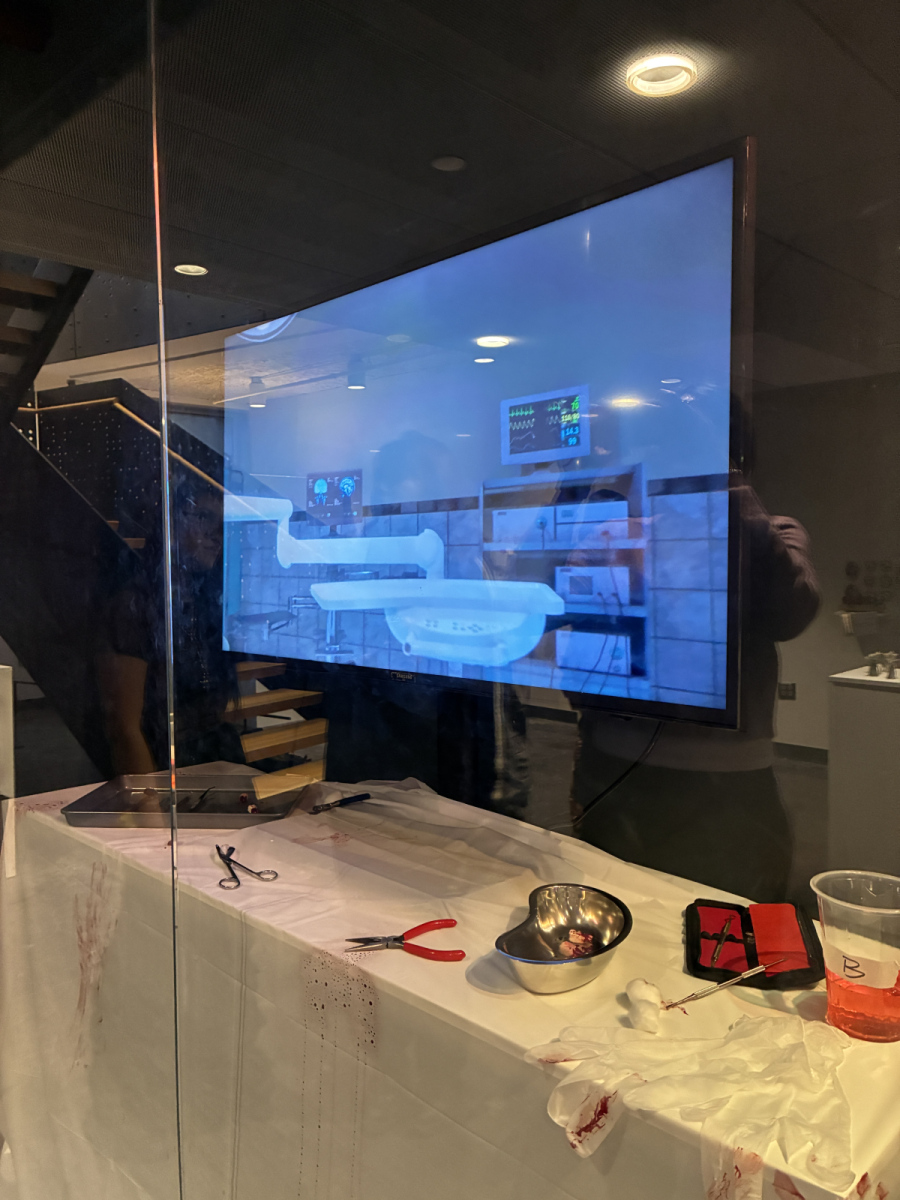
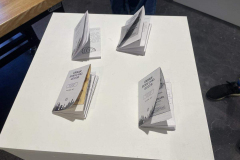
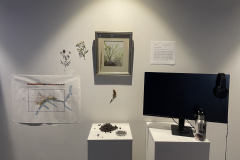
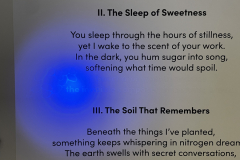
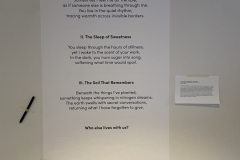
Multispecies theory is a rapidly growing paradigm that sustains that all practices of design, even if aimed for human users or audiences, implicitly impact non-human species: those we can see in our nearby environments, and those invisible or in environments far away. The show is centered on media artifacts that reflect on this.
-
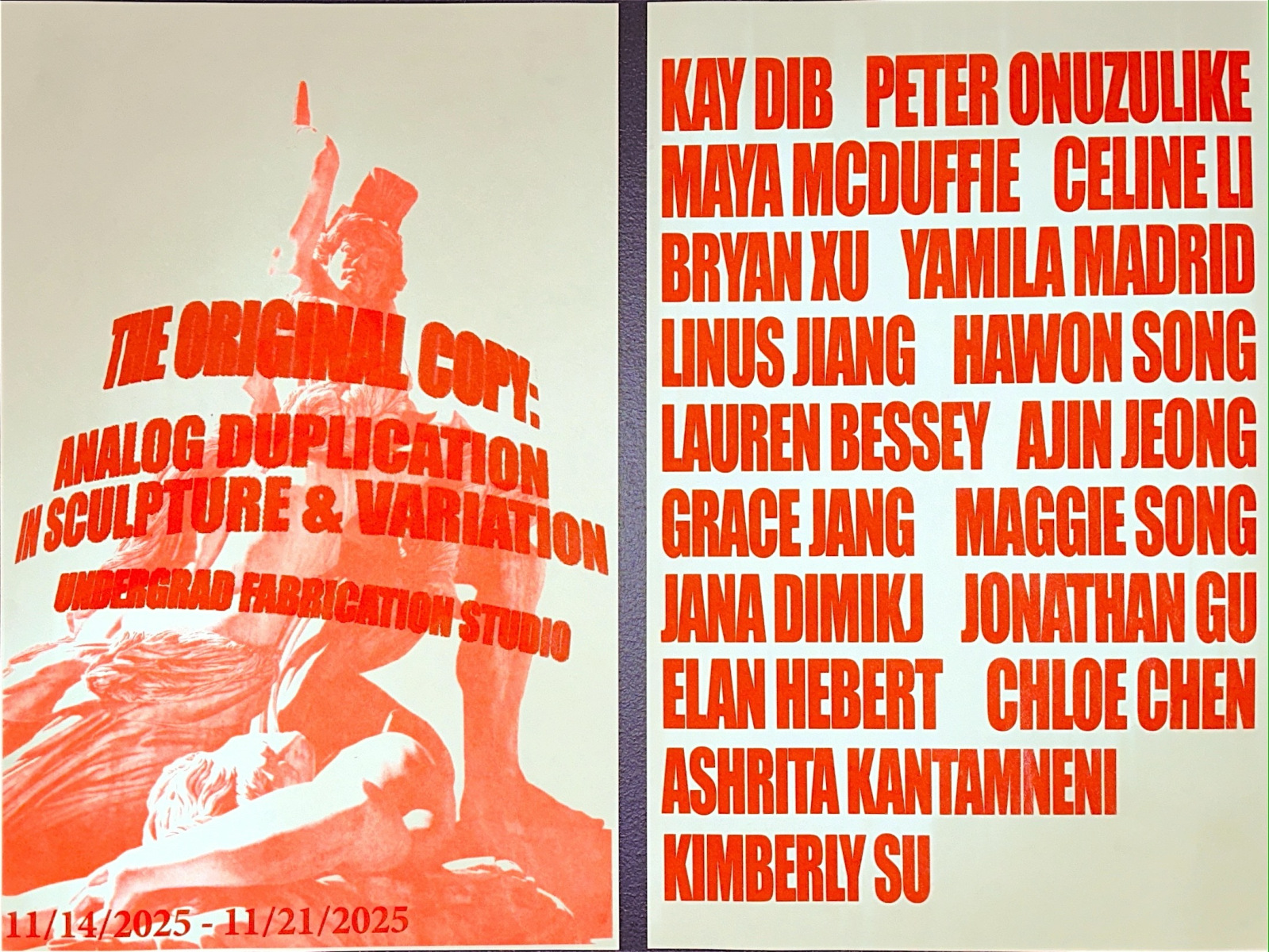
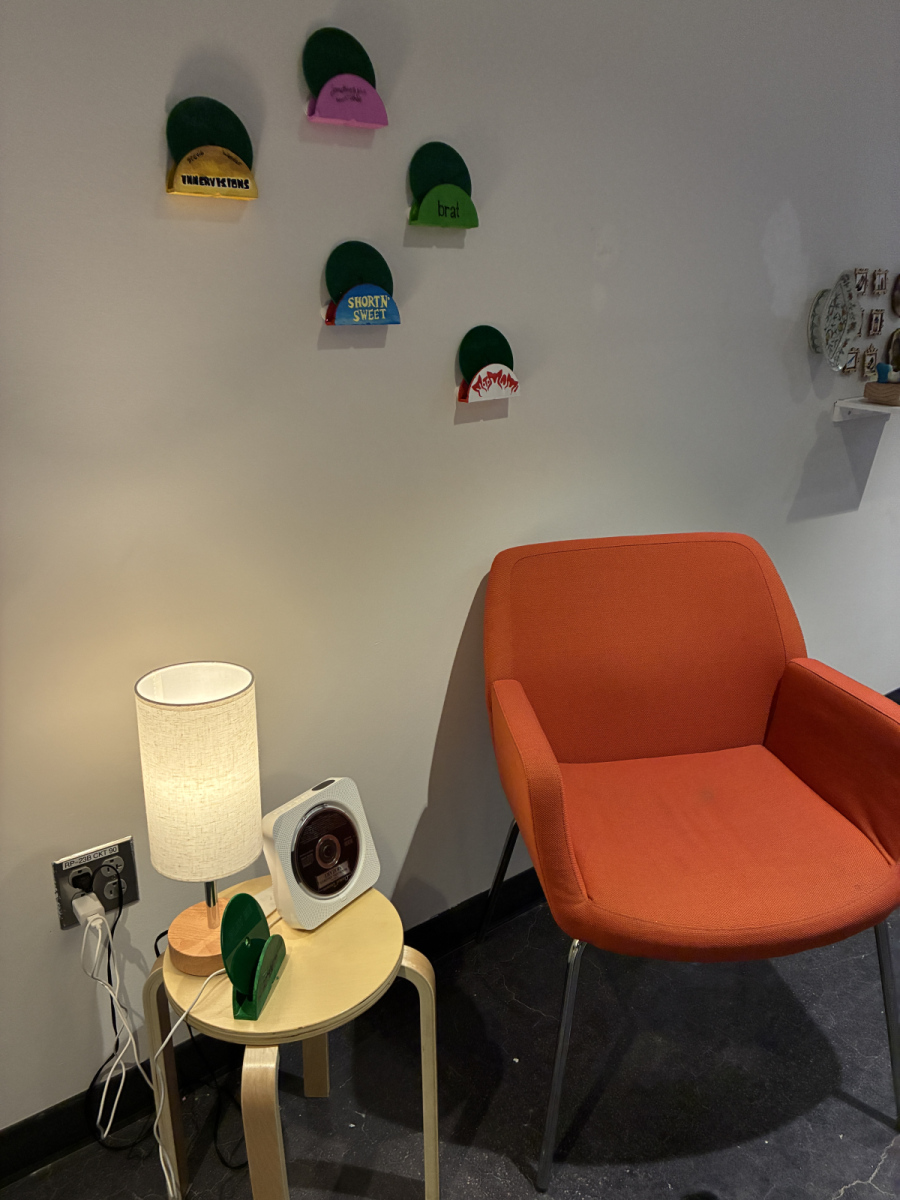
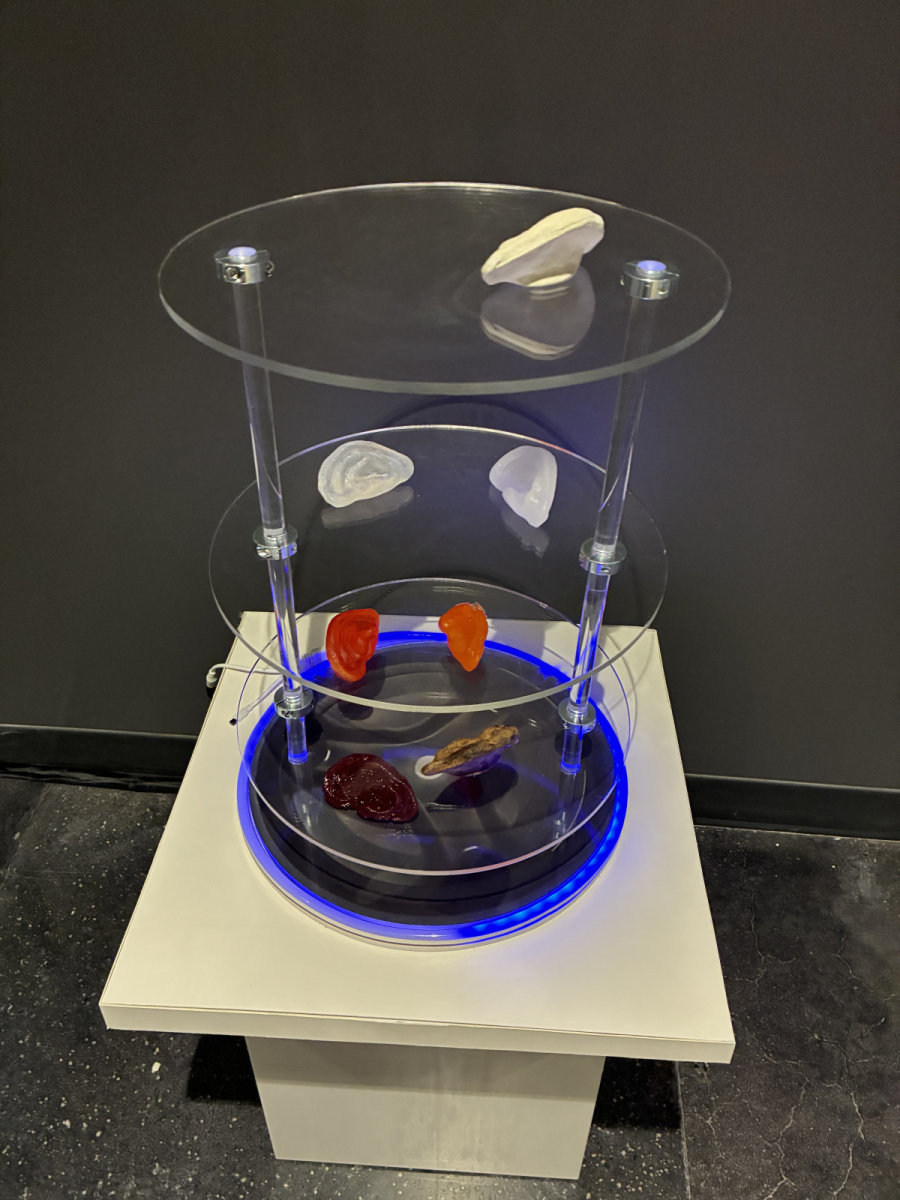
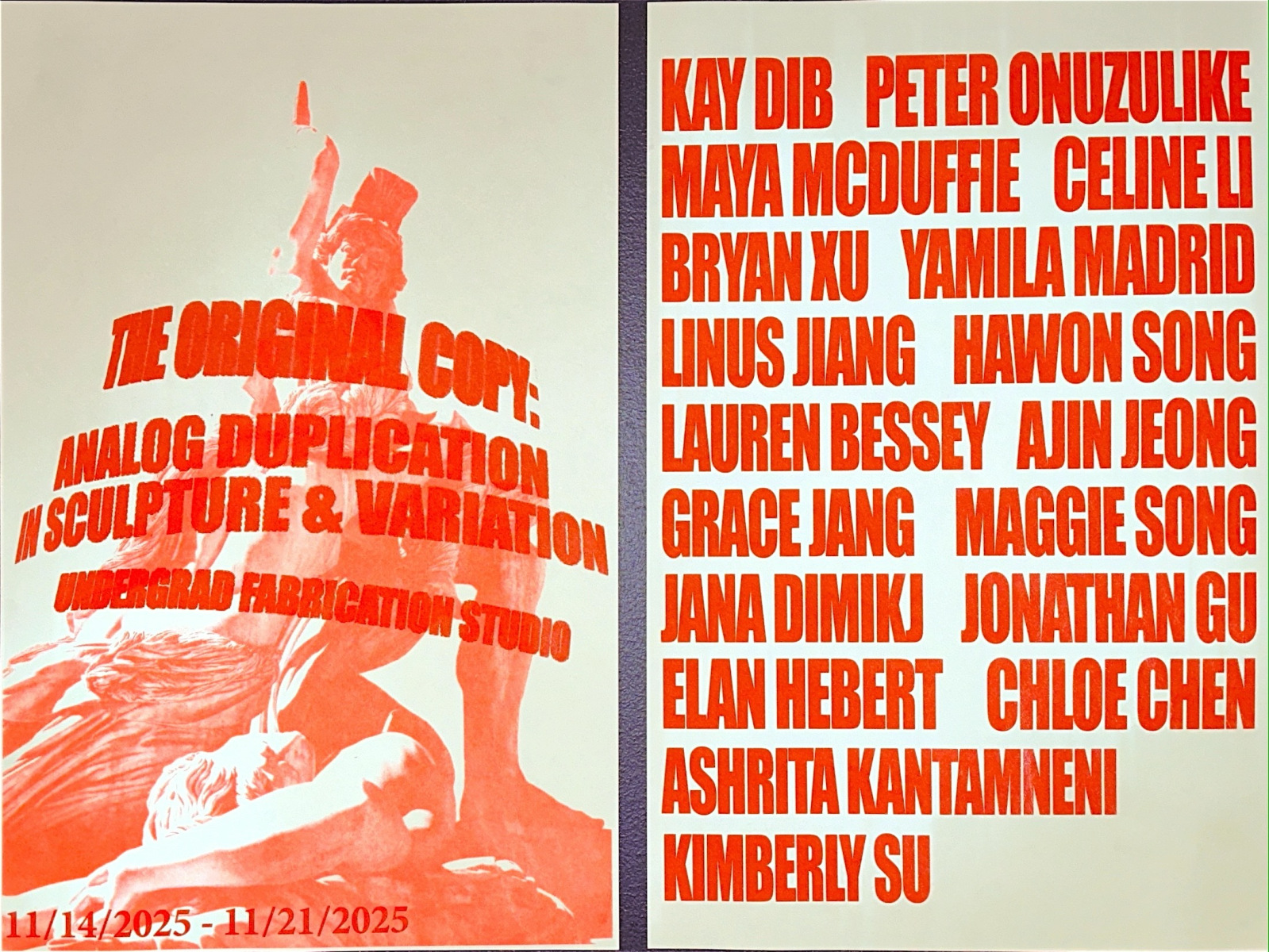
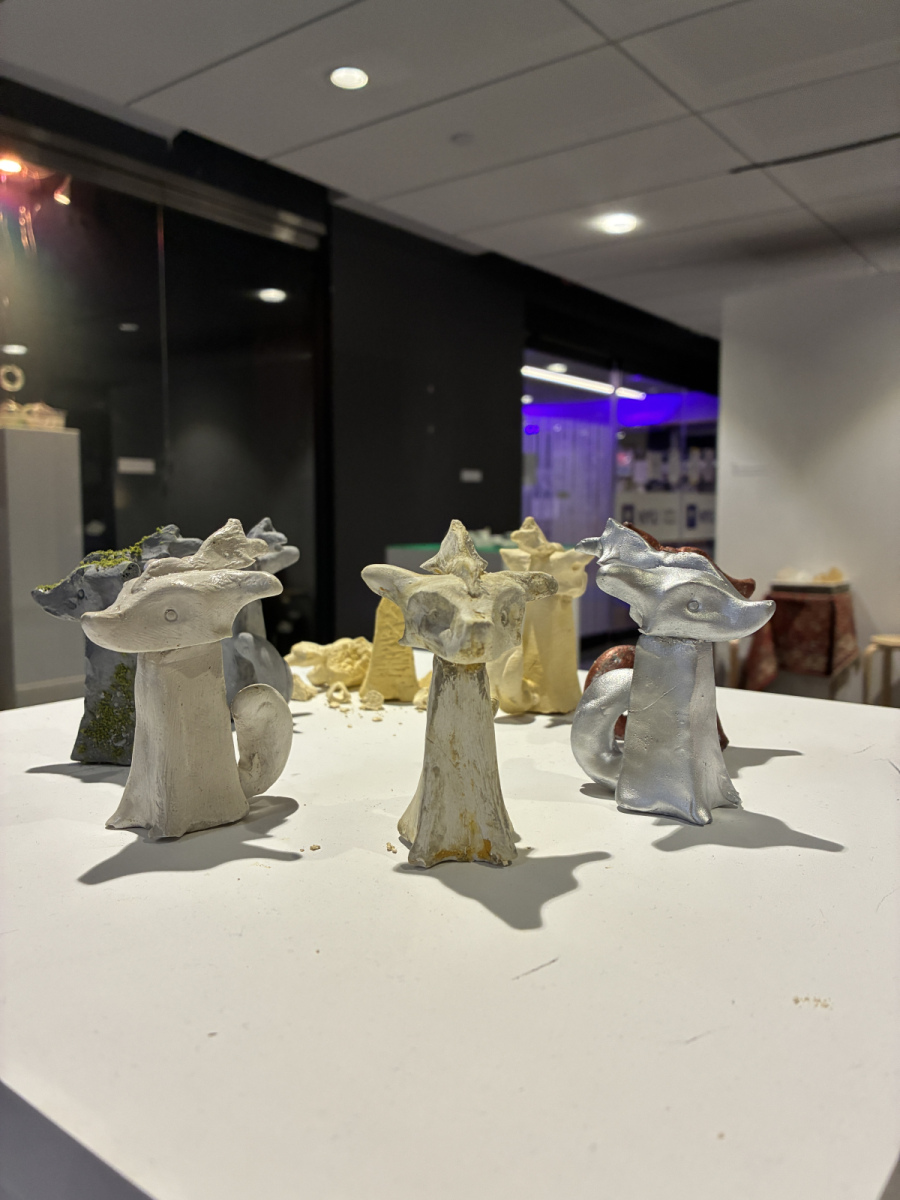
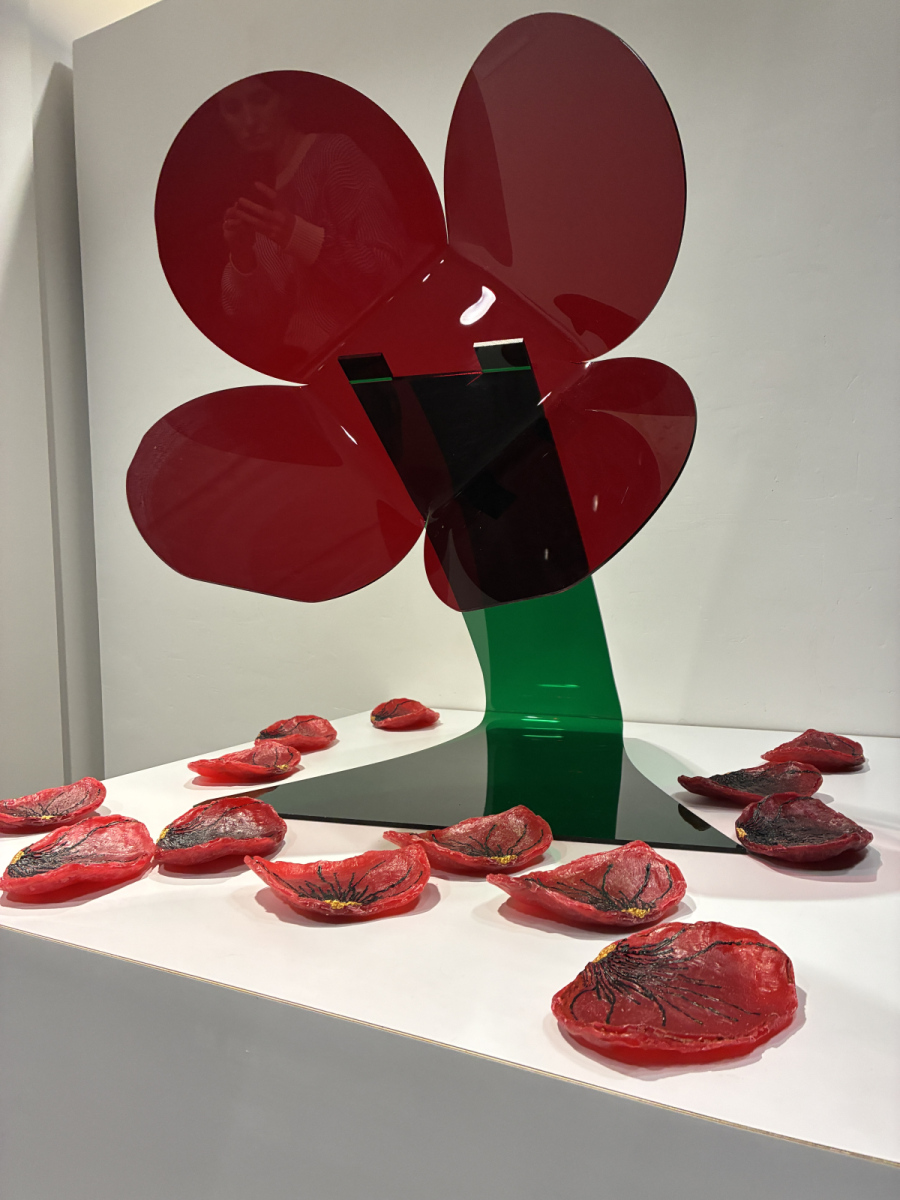
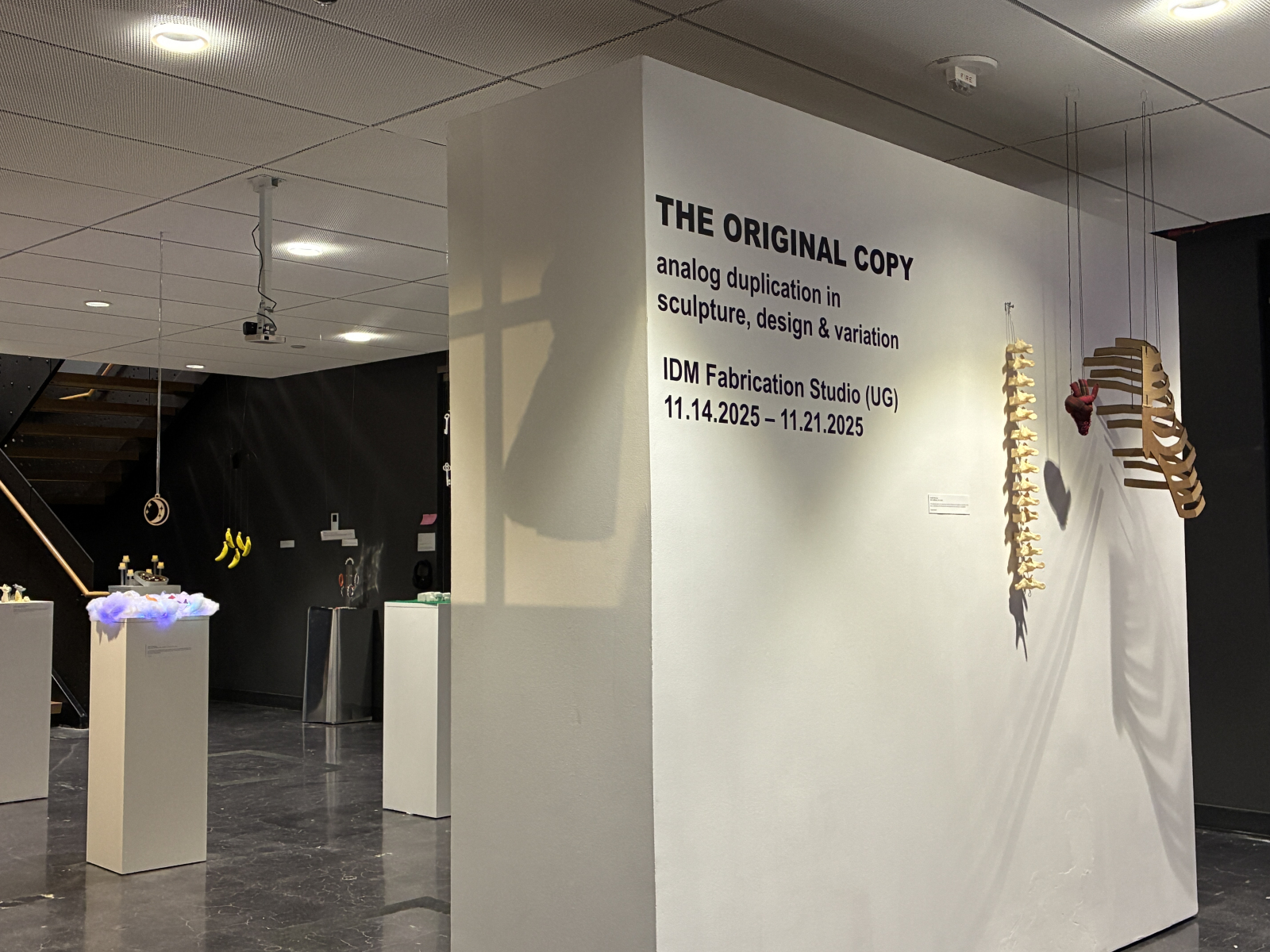
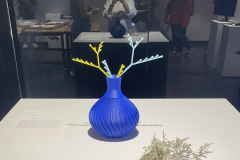
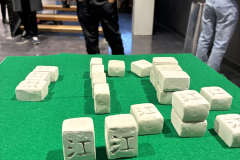
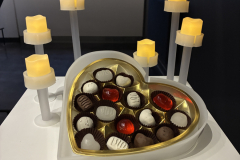
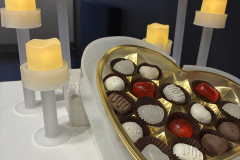
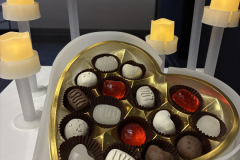
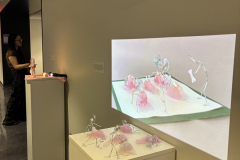
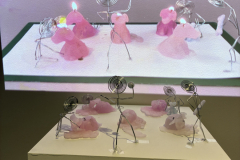
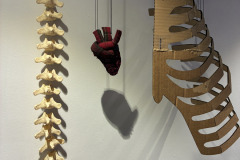
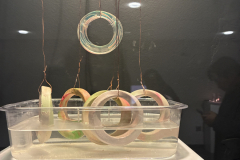
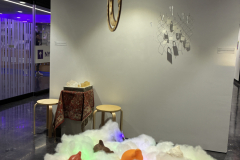
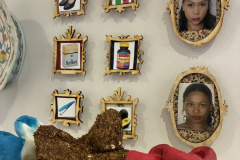
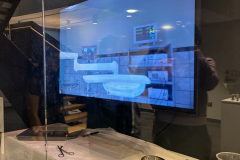
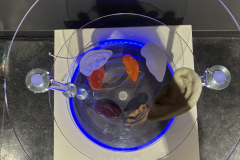
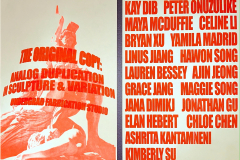
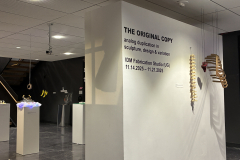
Original Copy : Analog Duplication in Sculpture & Variation
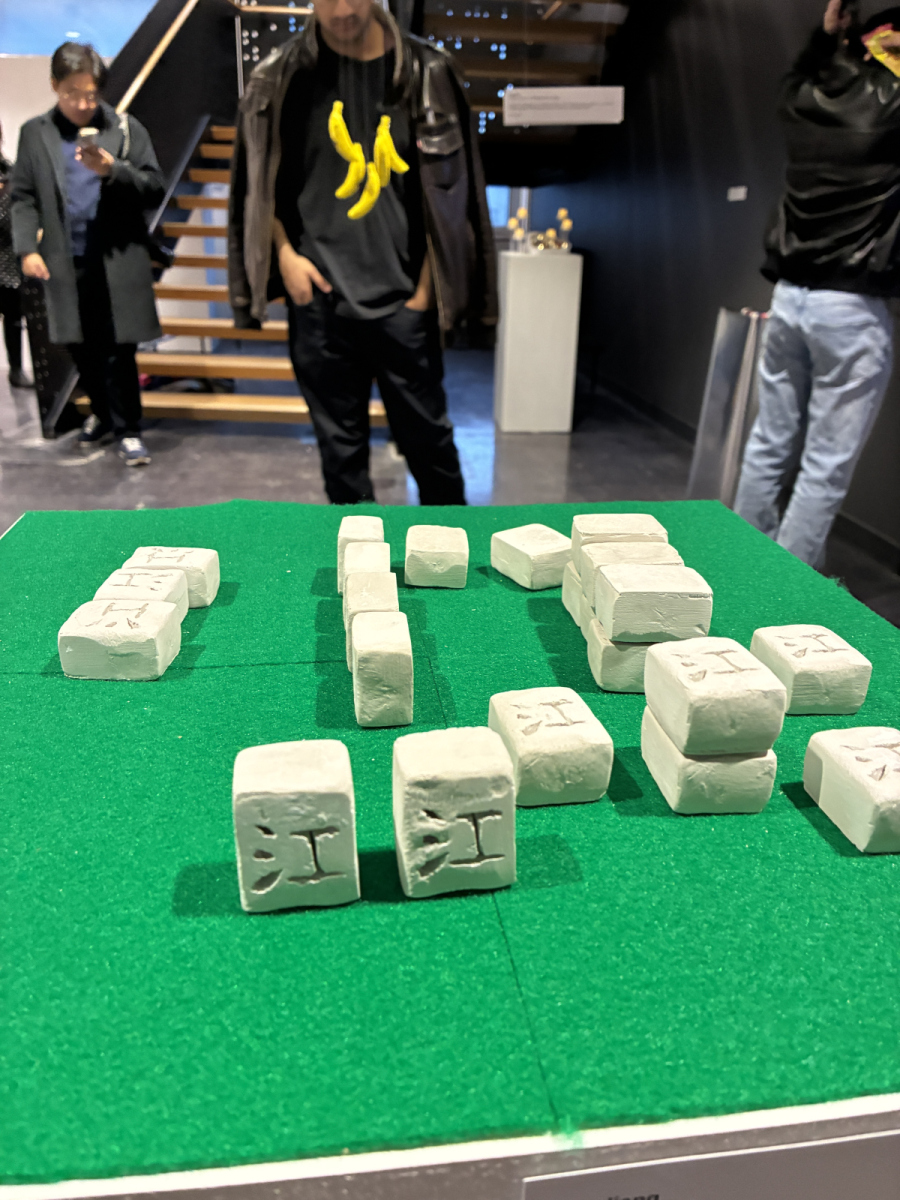
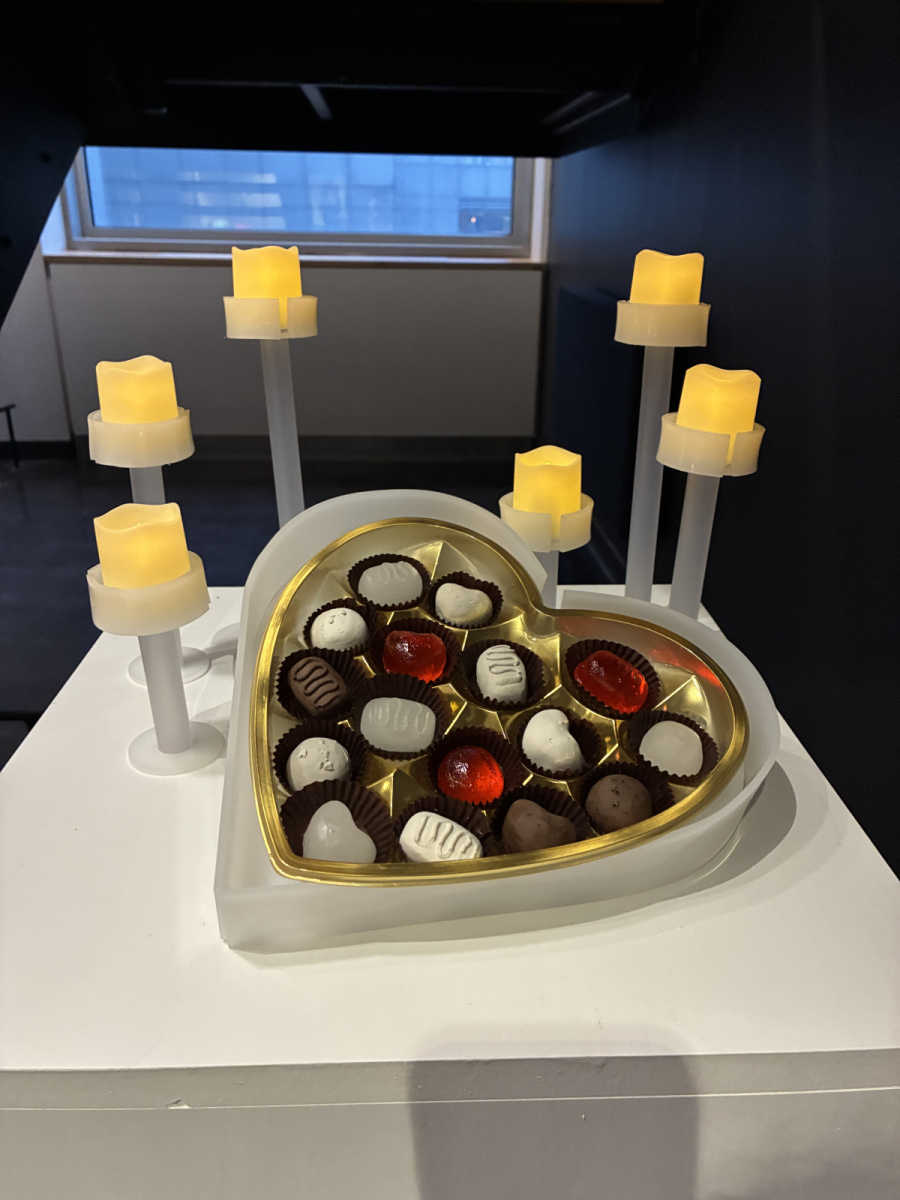
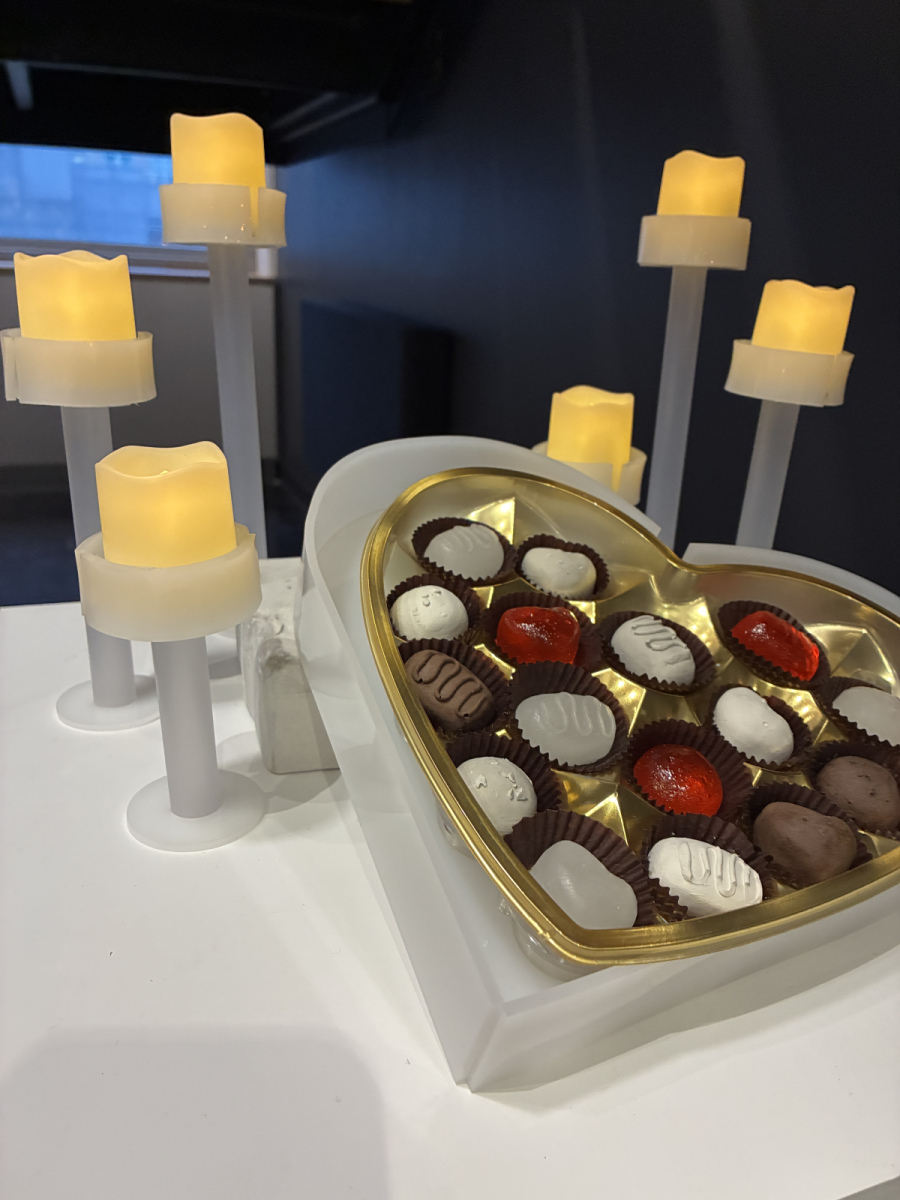
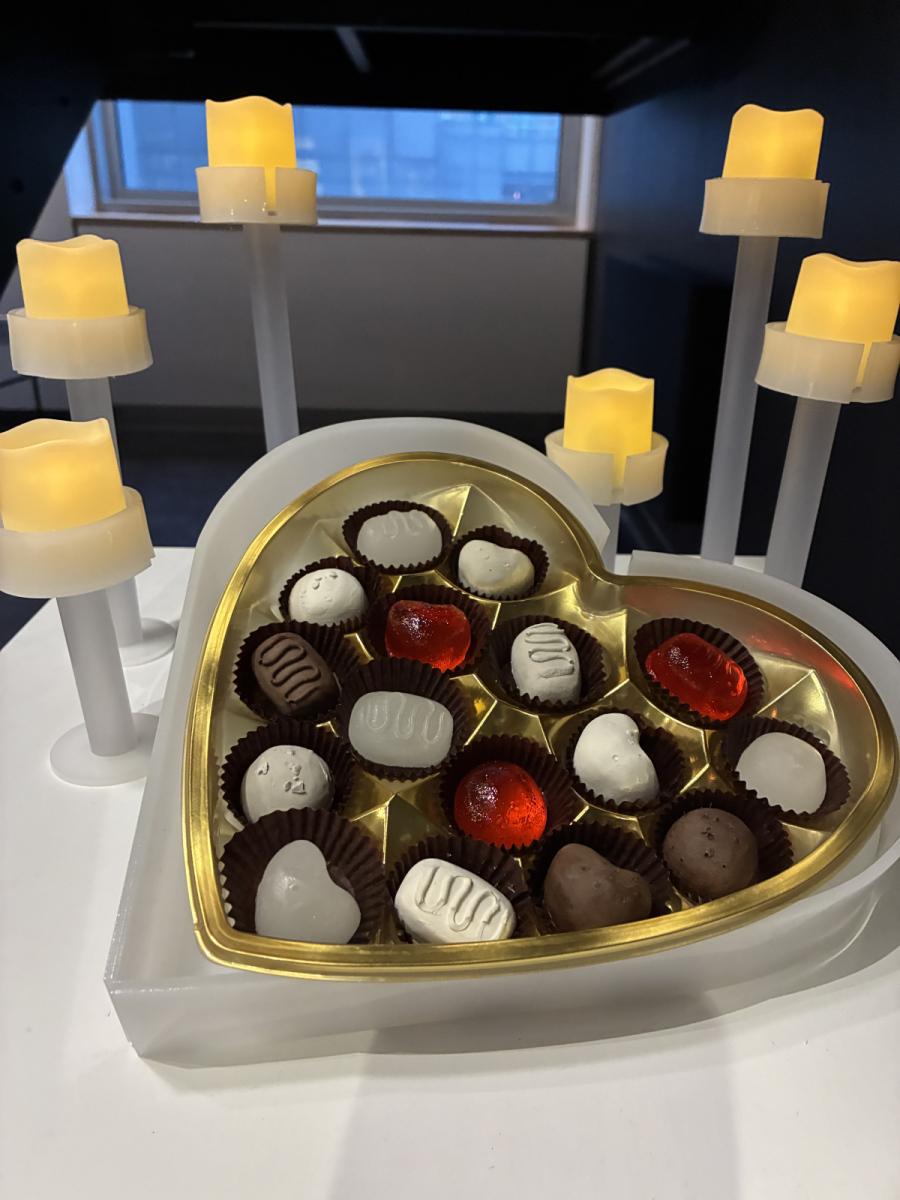
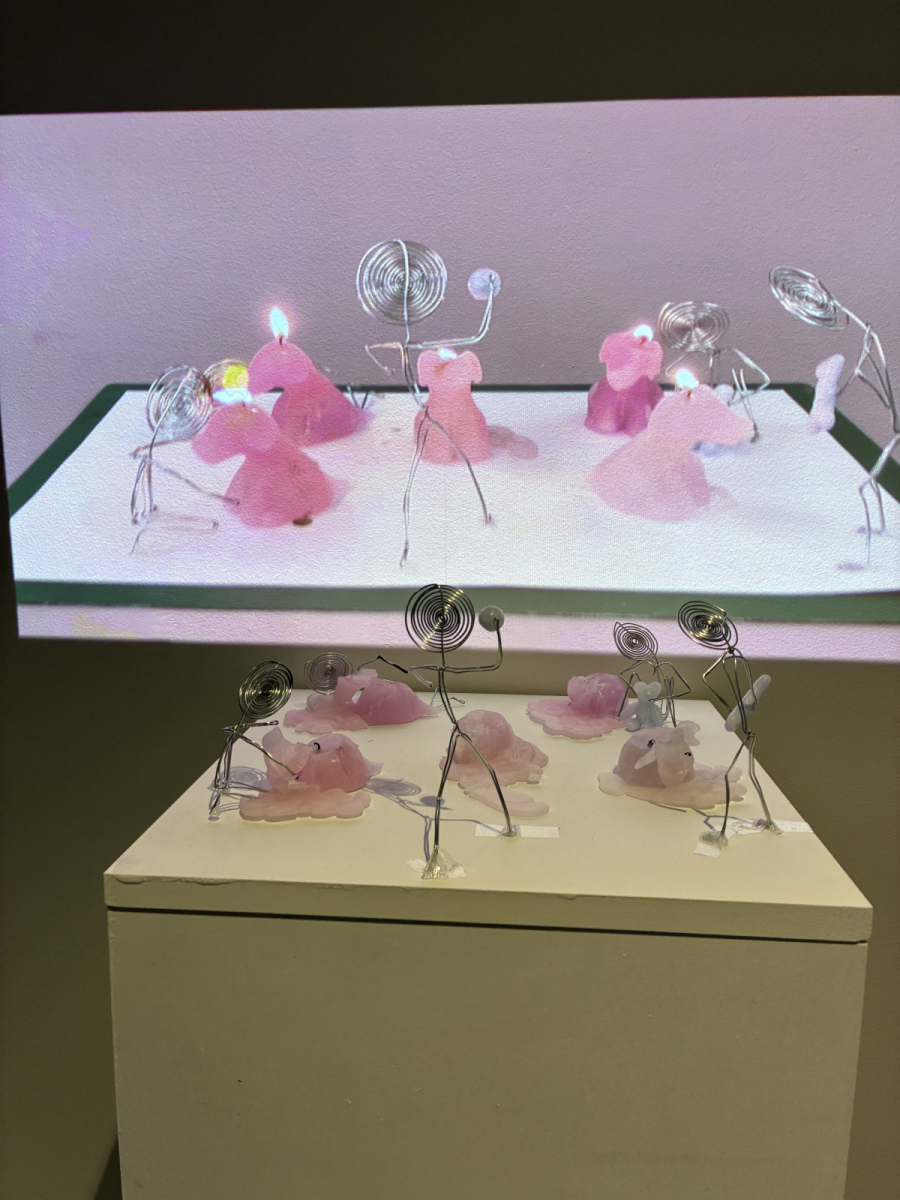
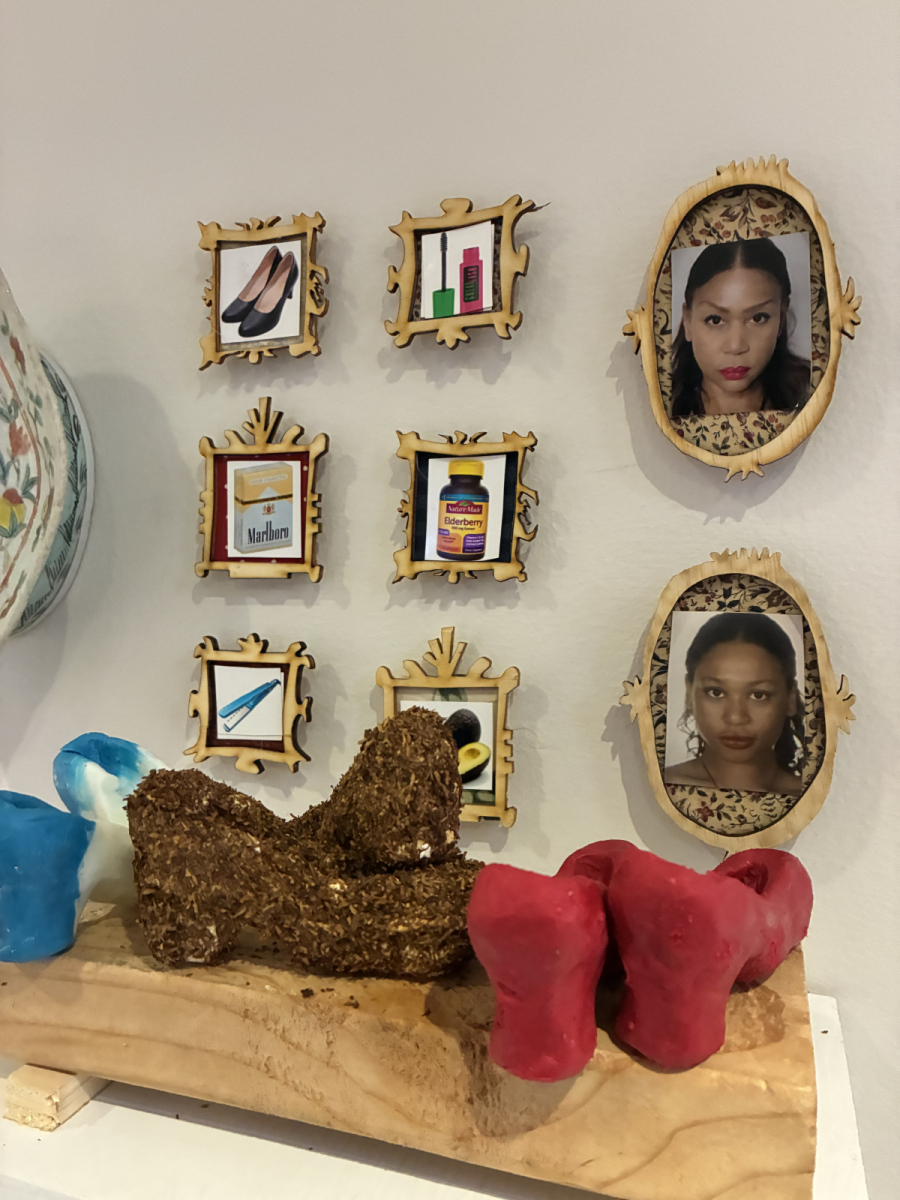
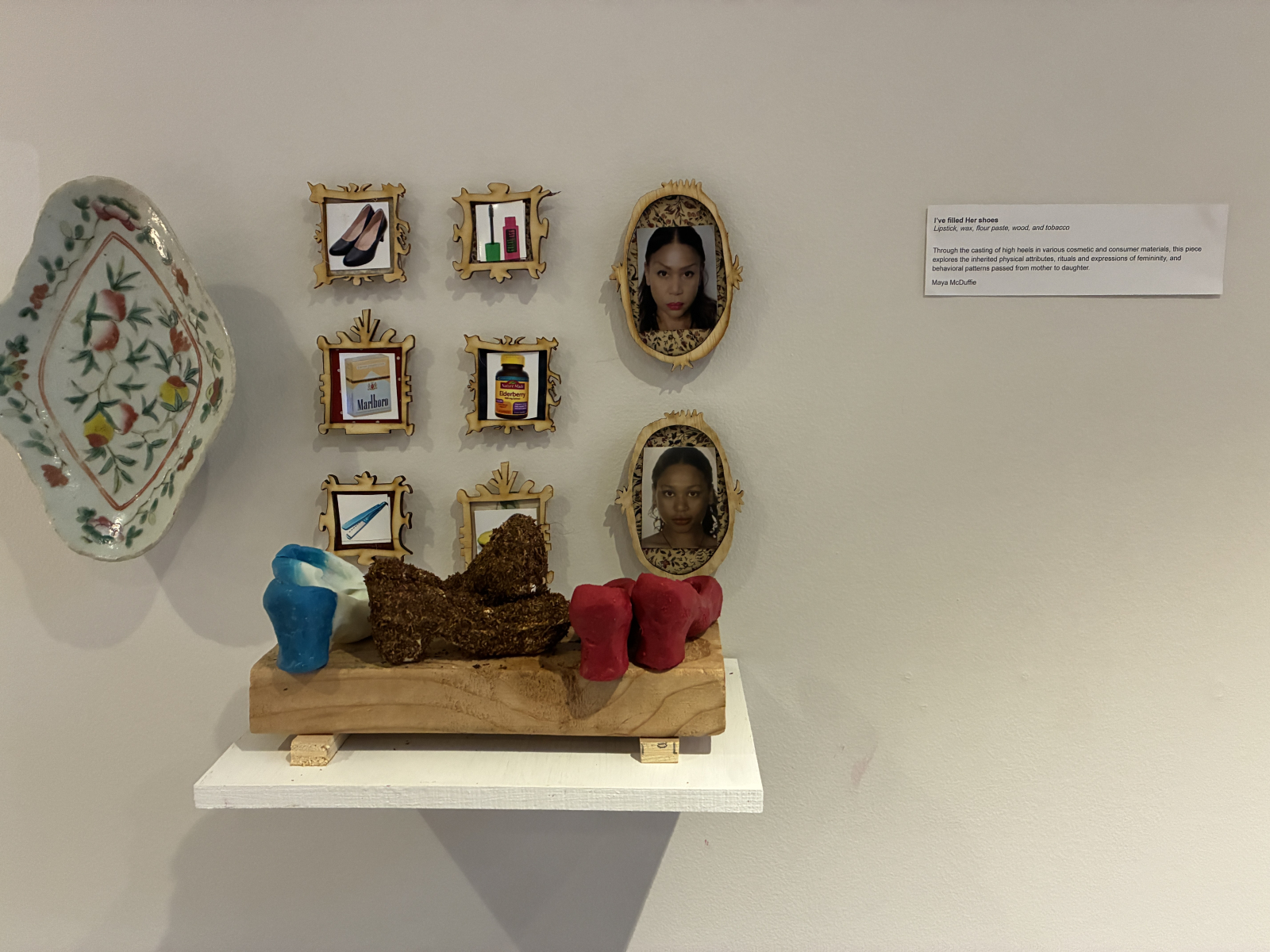
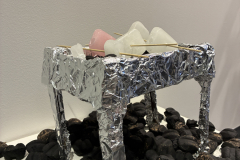
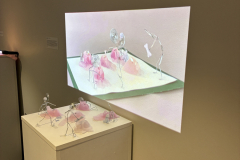
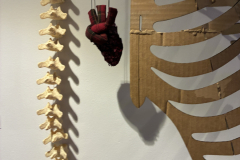
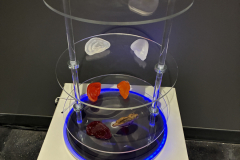
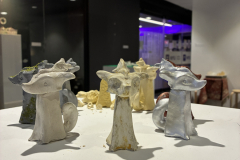
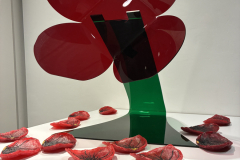
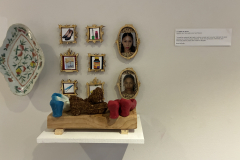
In a world where designers fear their work being copied not just by individuals but by generative AI models, what does it mean for an artist to make multiples? The truth is, it’s not so easy to make an exact copy, and when you’re competing with machines, sometimes there’s art in imperfections.
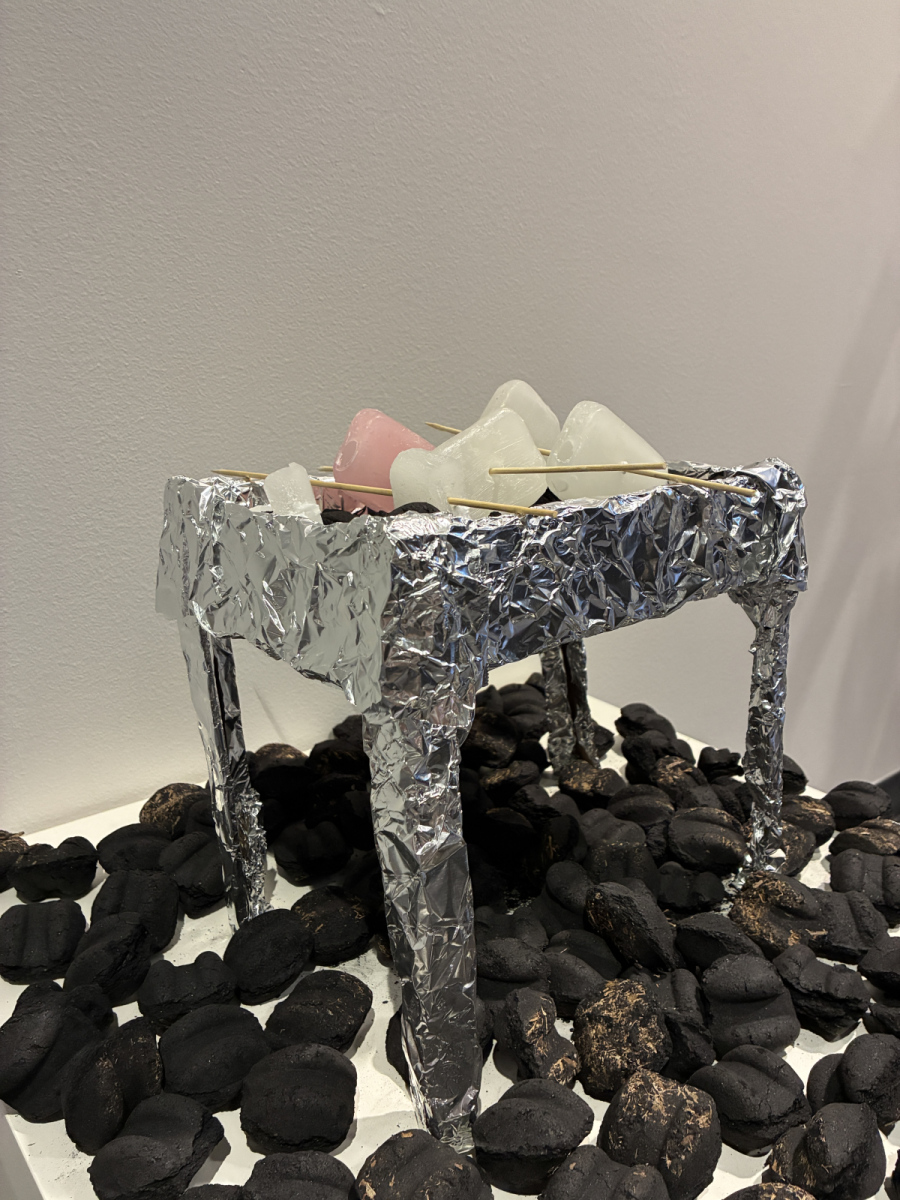
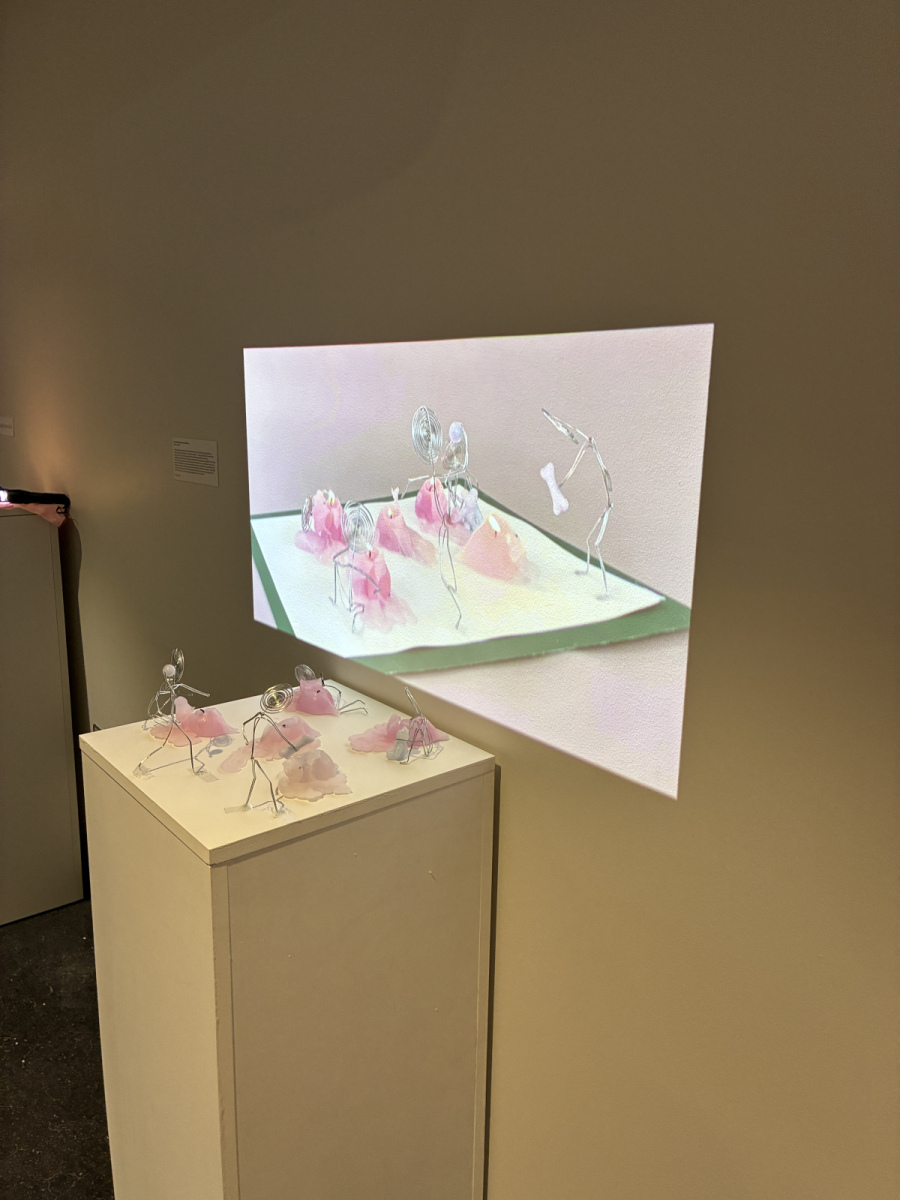
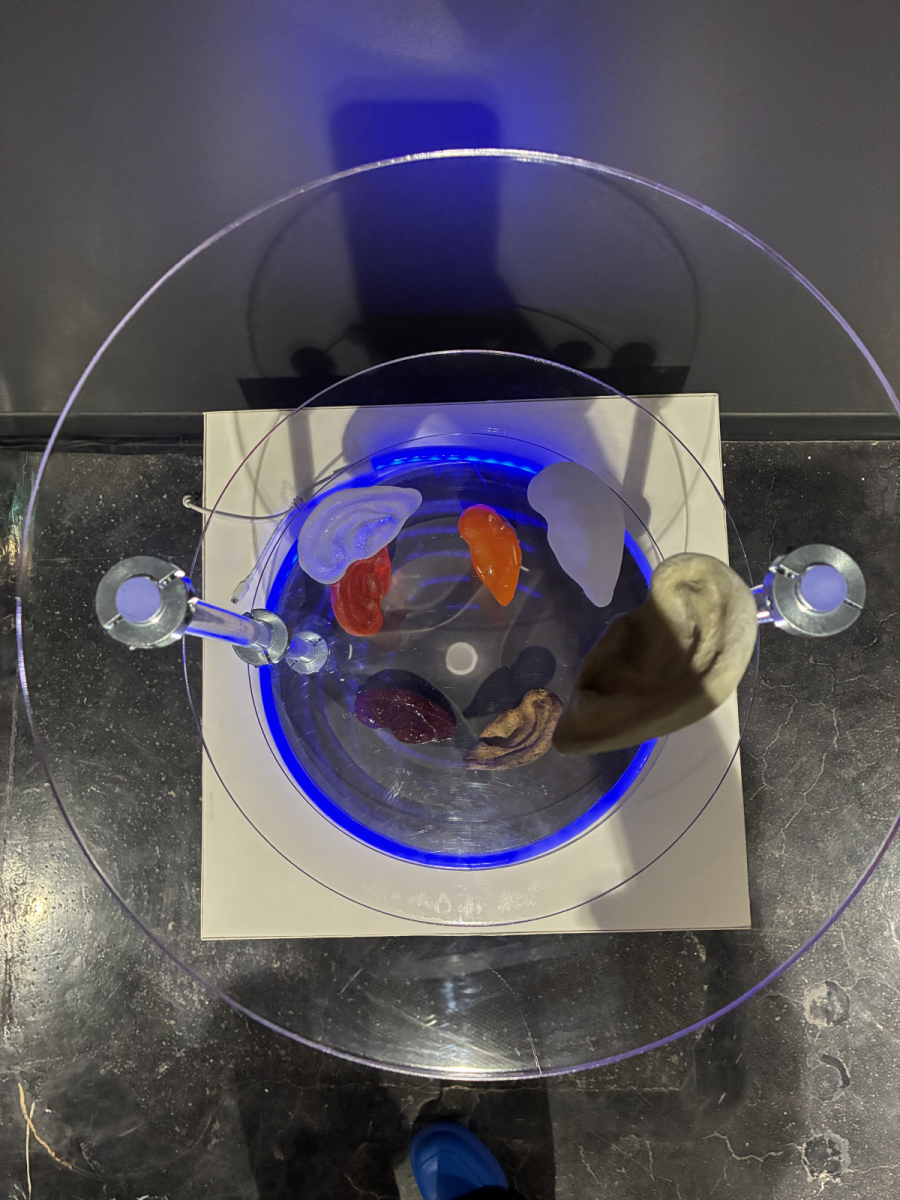
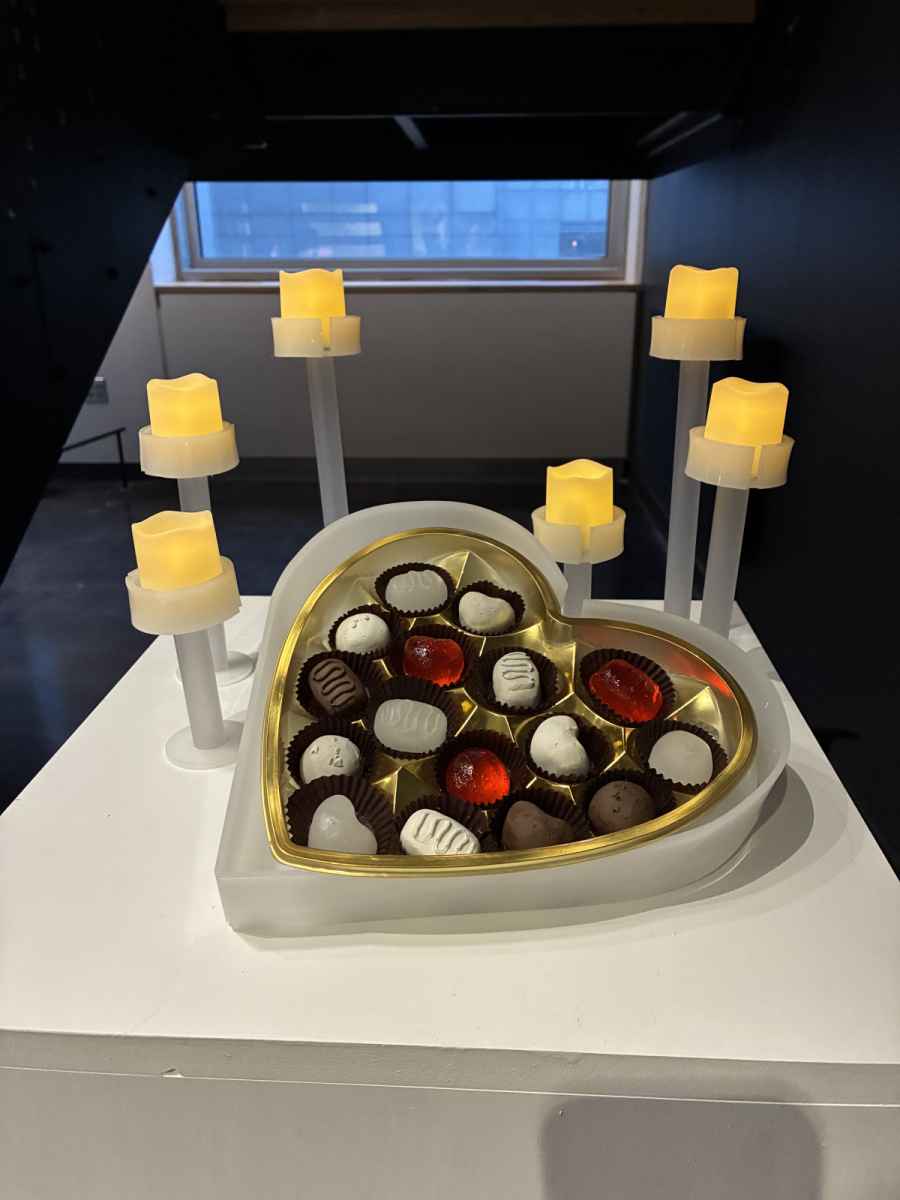
For this project, students made a one or two-part mold in class, out of silicone, designing/sculpting the original object used in the mold. The original object should be no larger than 18 cubic inches (ex. 4.5” x 2” x 2”).
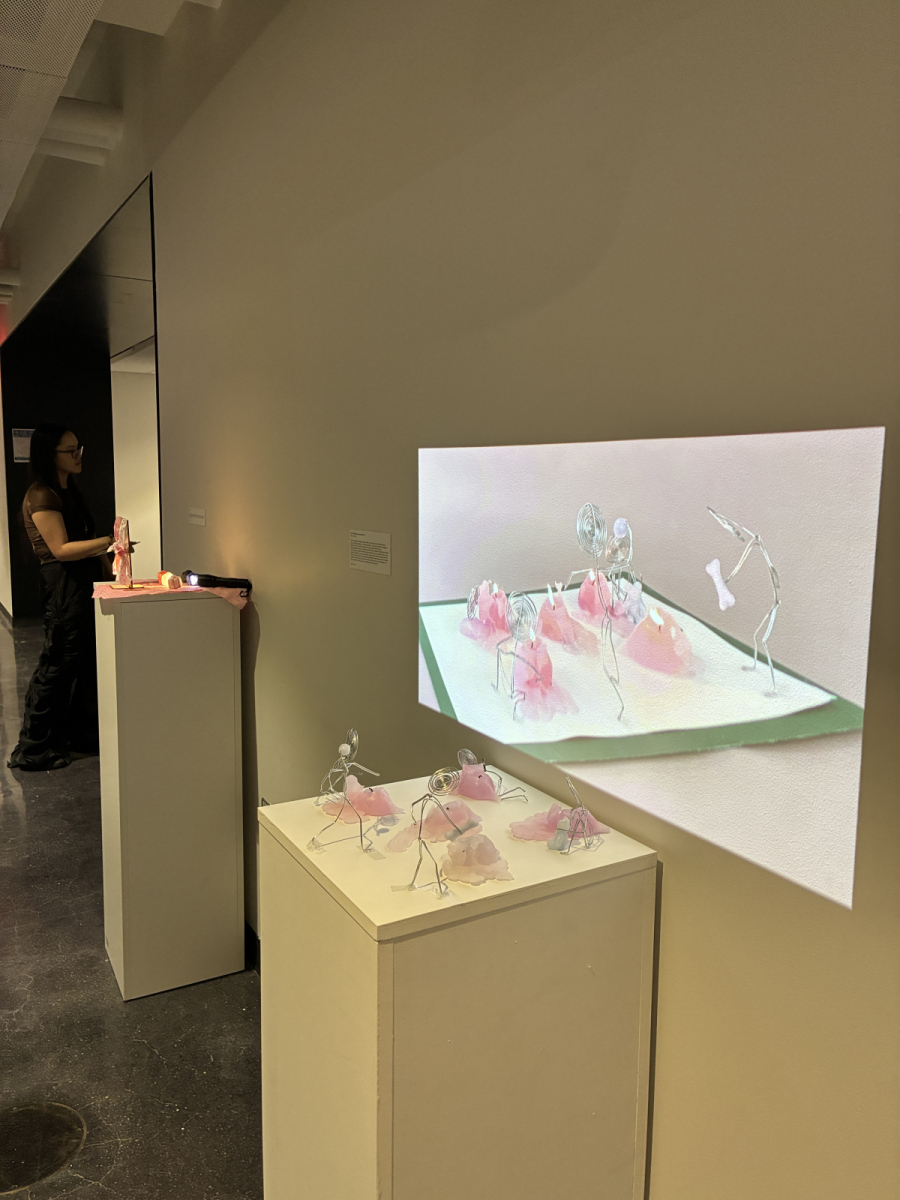
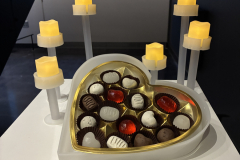
Objects are then cast in a material — low-cost and safe materials considered include: wax, chocolate, butter, jello, ice and silicone. Casts were incorporated into a larger sculpture, installation, performance, or video exploring the idea of “copy.”
-
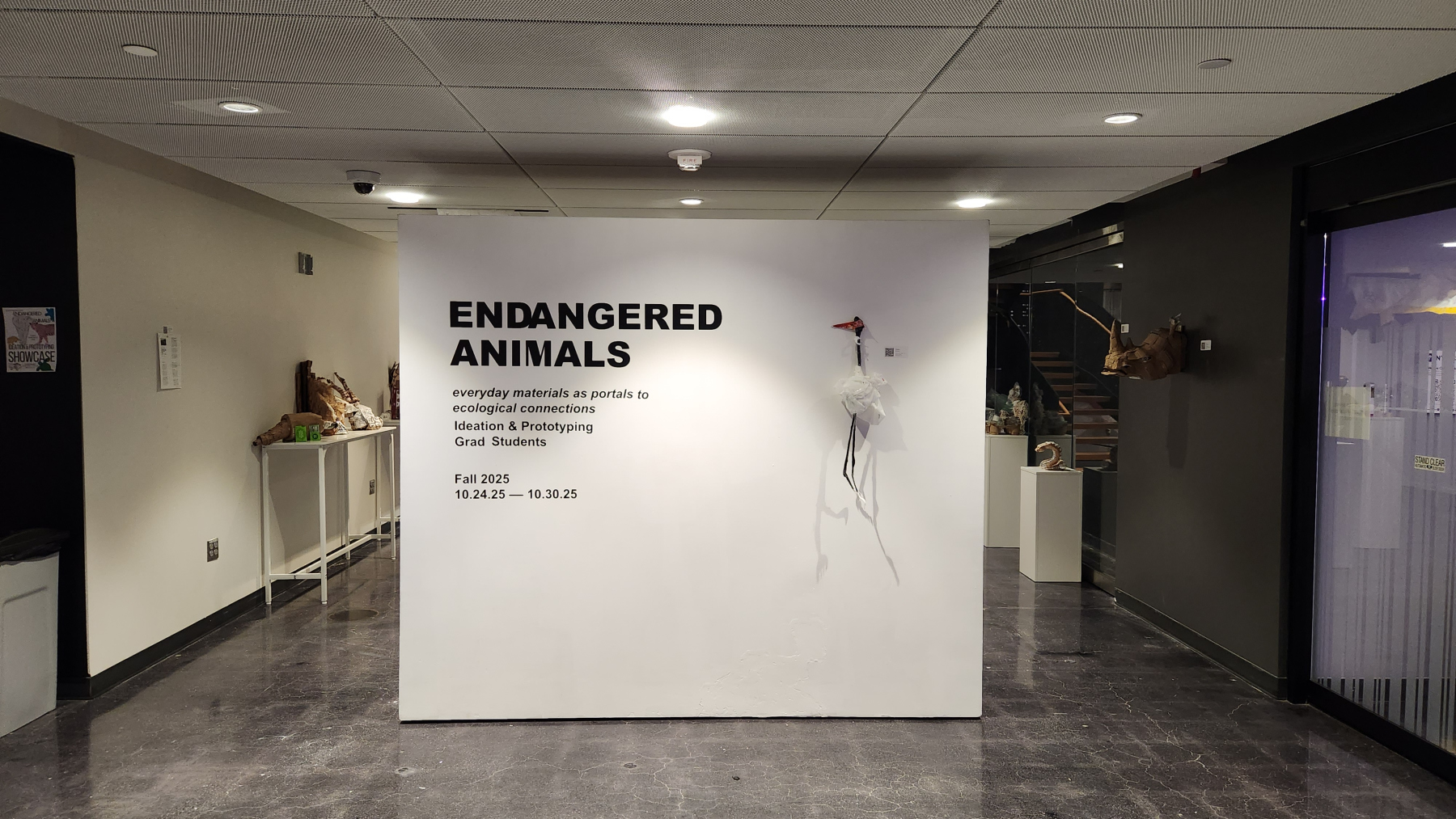
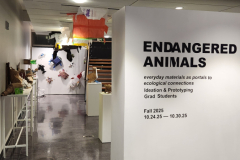
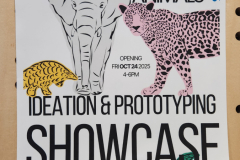
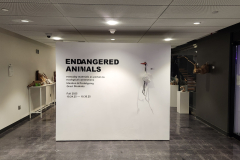
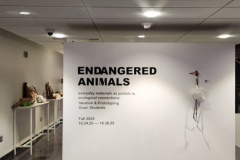
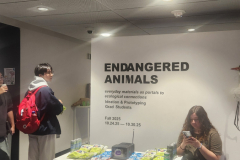
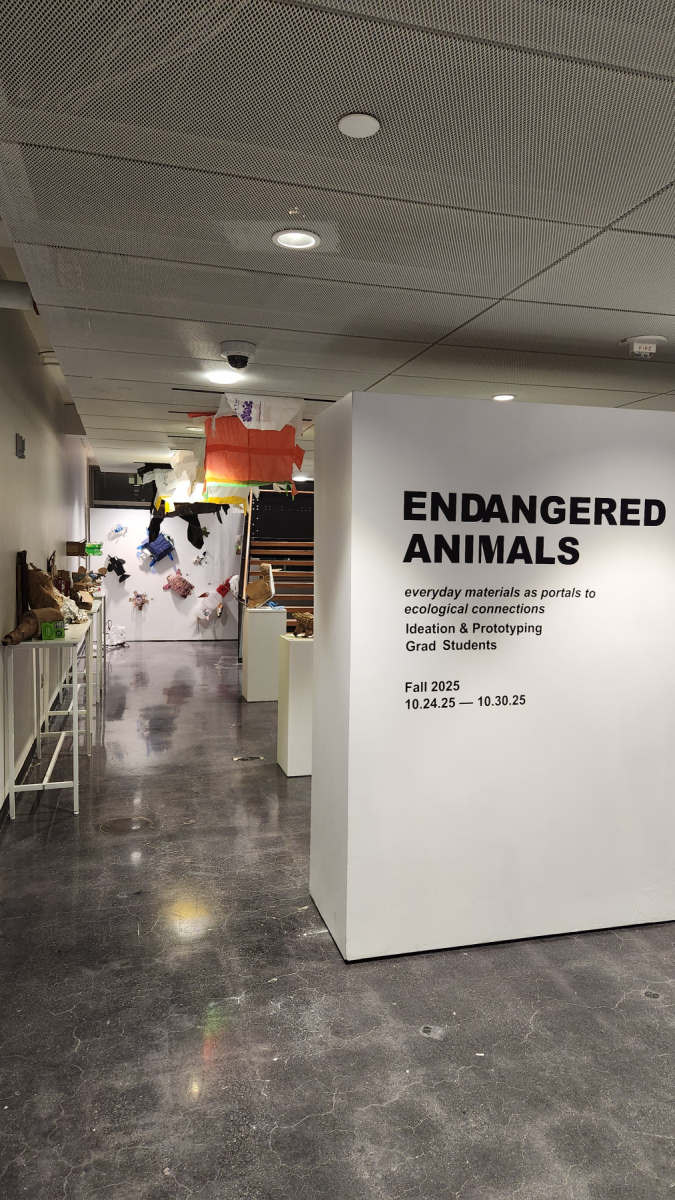
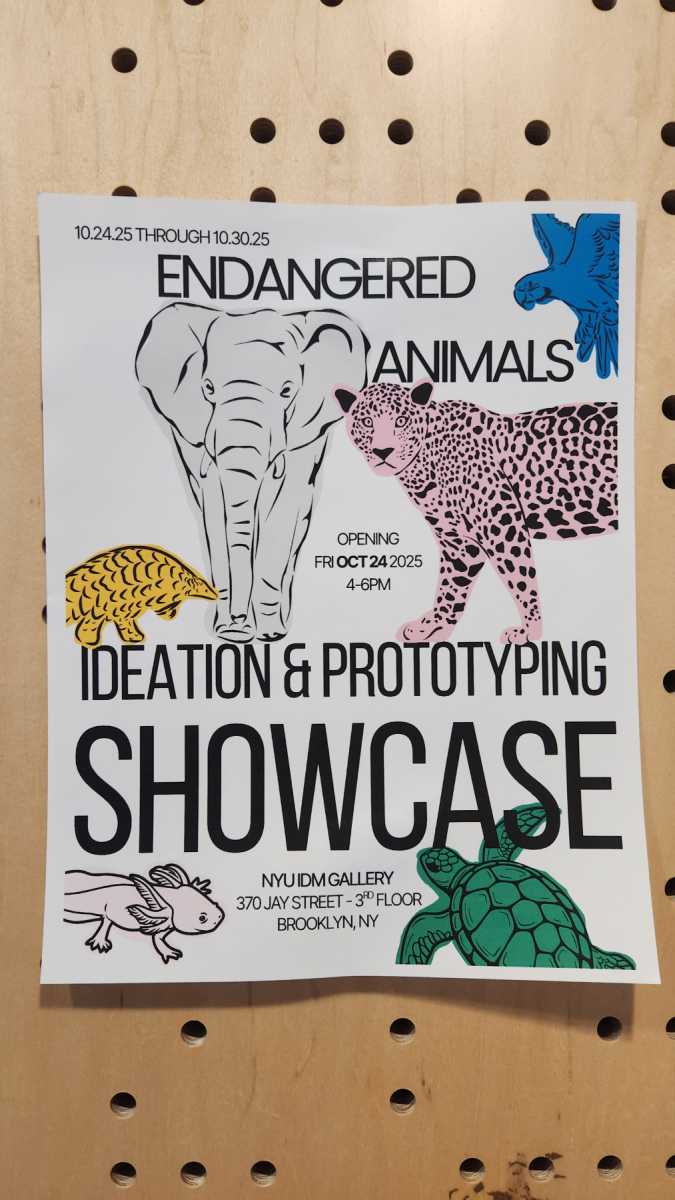
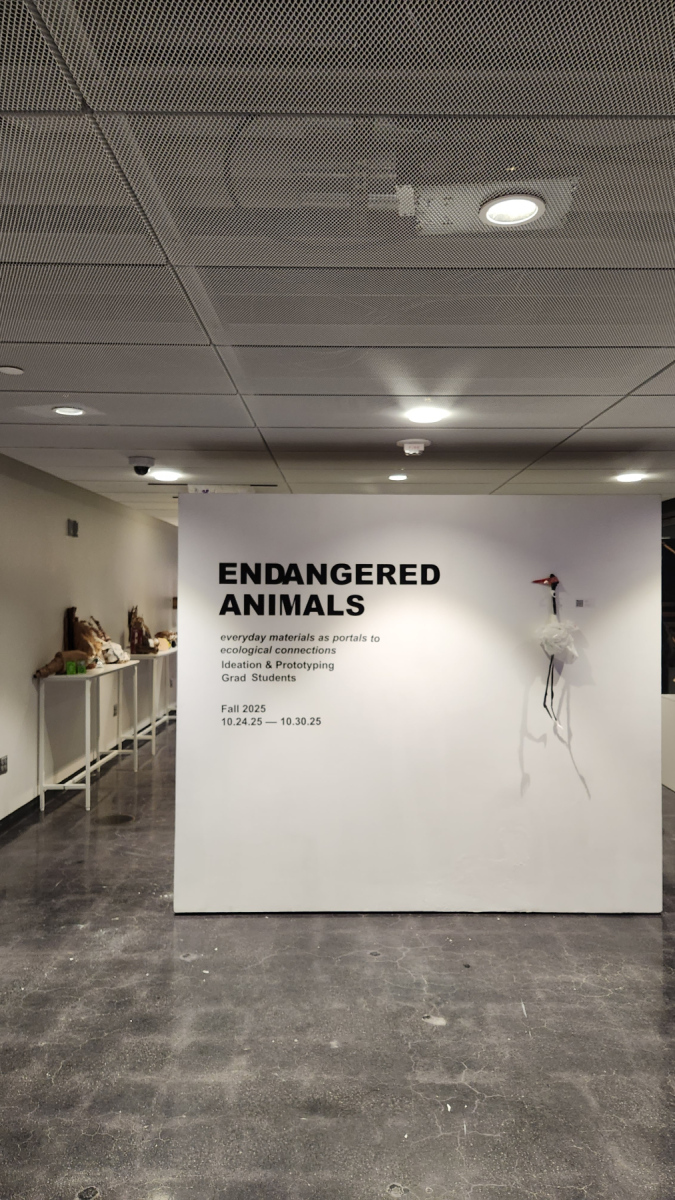
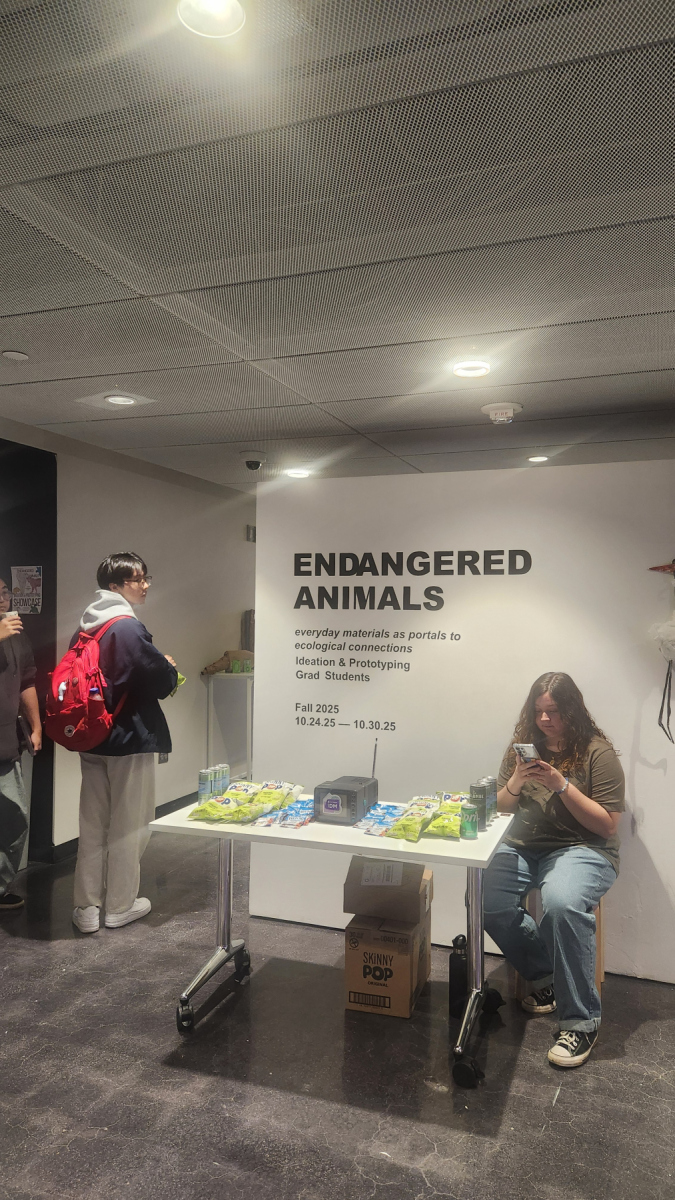
Graduate Ideation & Prototyping Midterm show
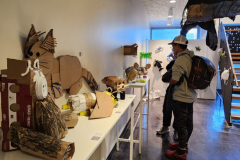
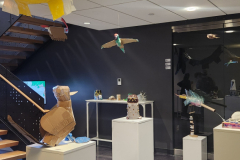
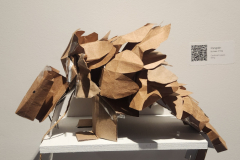
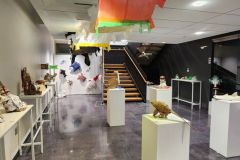
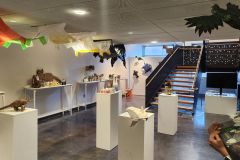
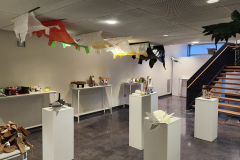
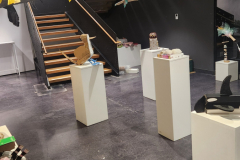
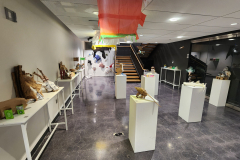
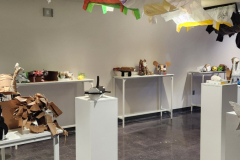
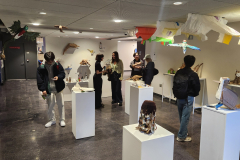
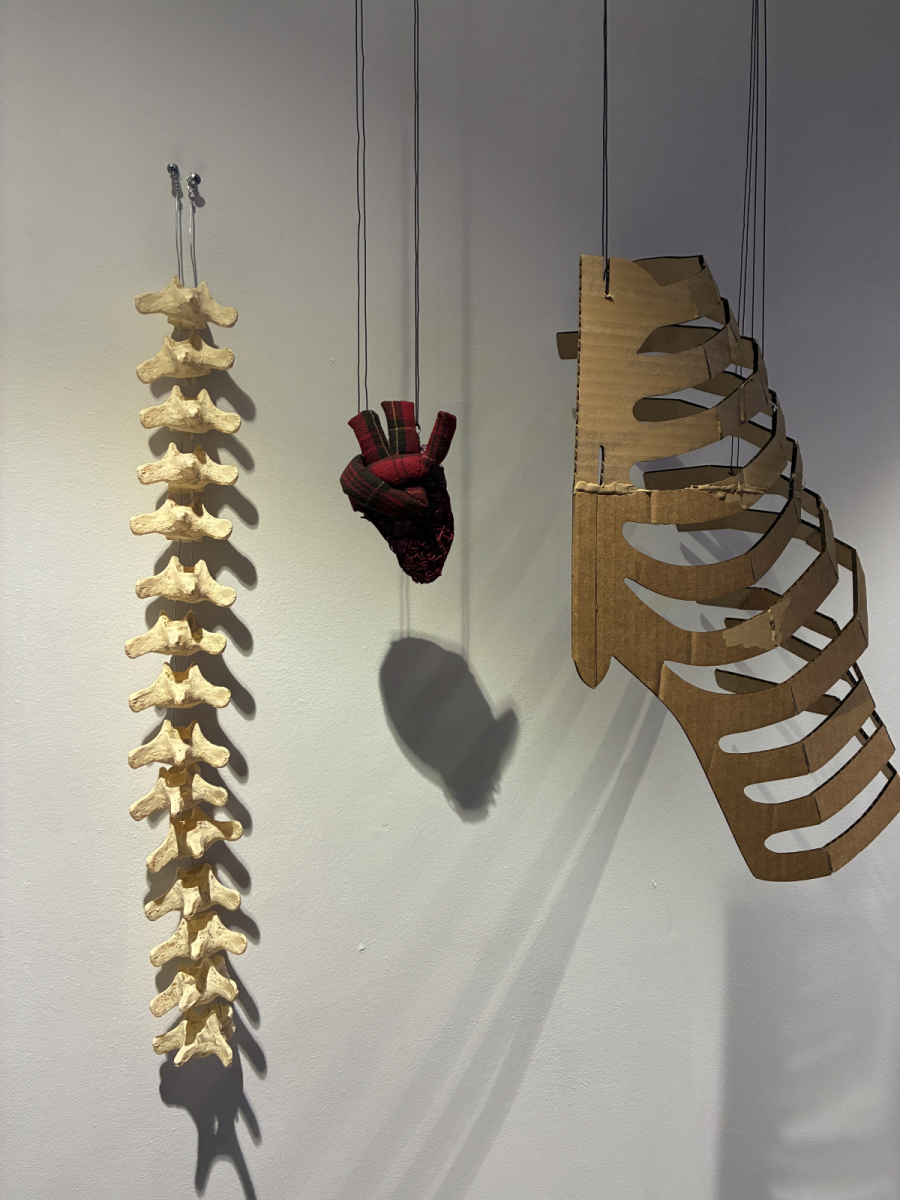
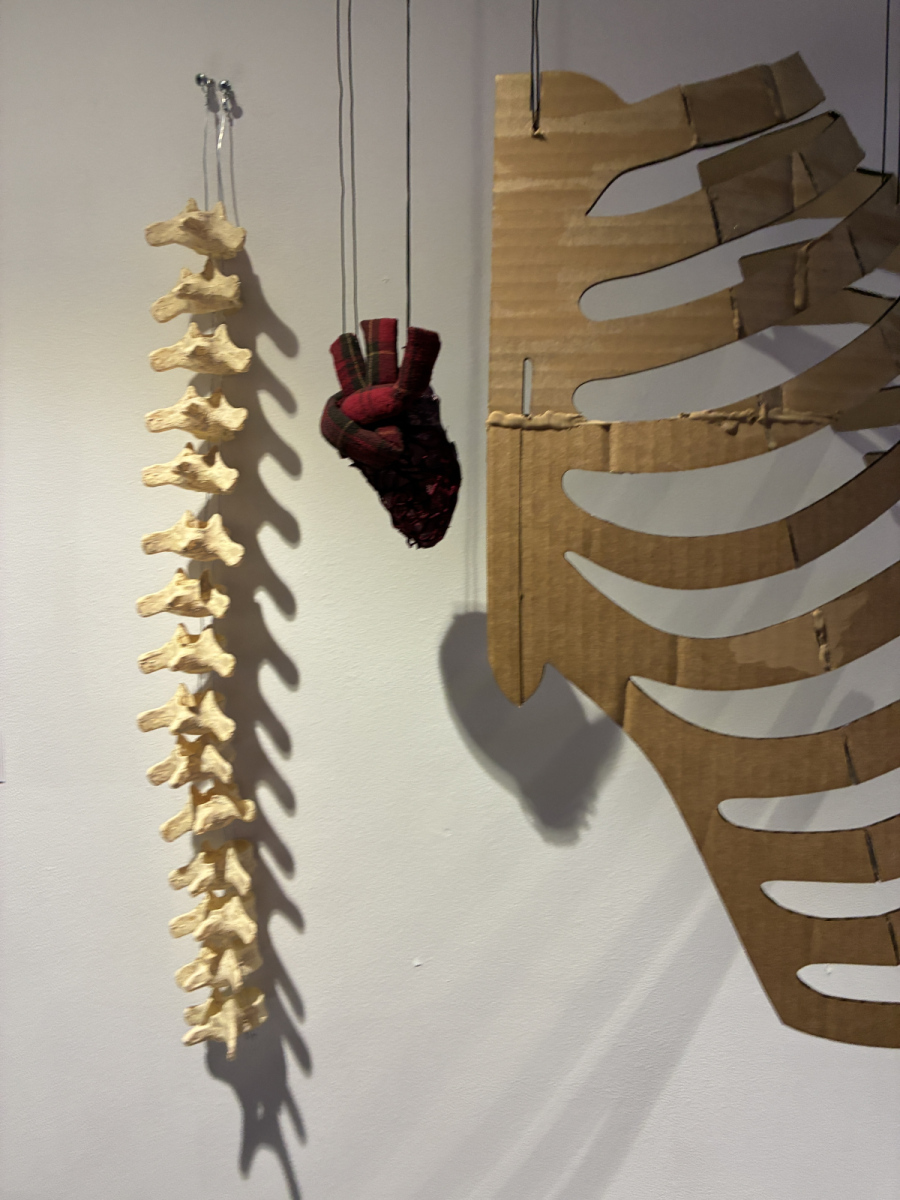
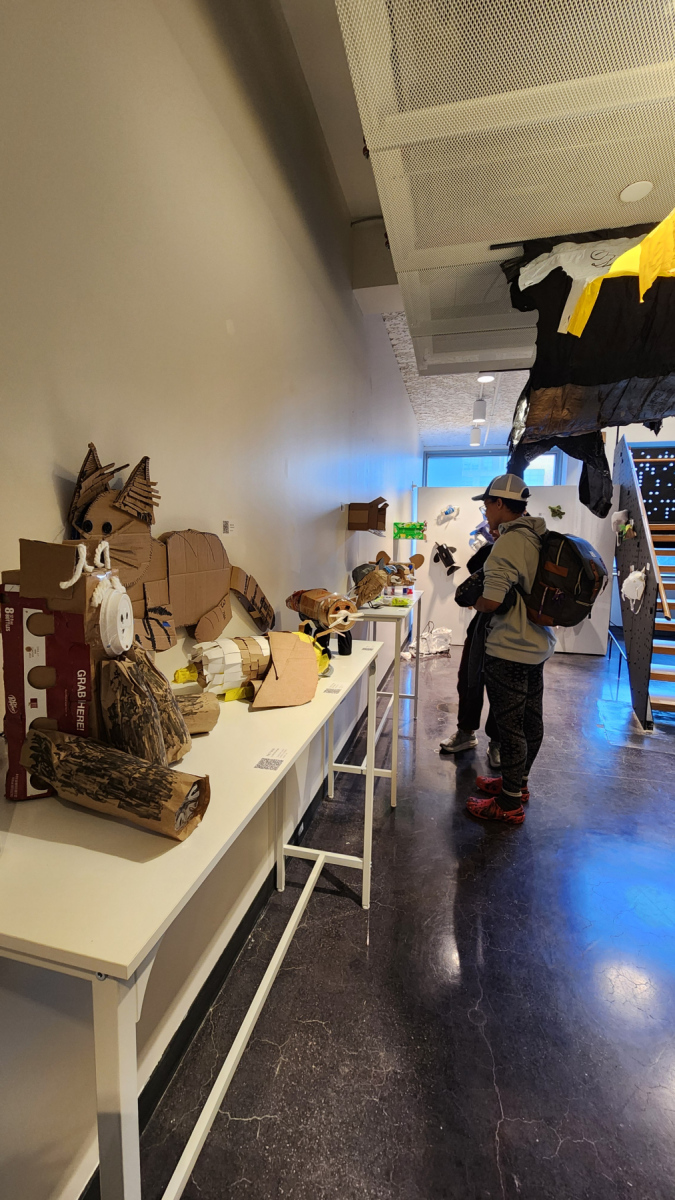
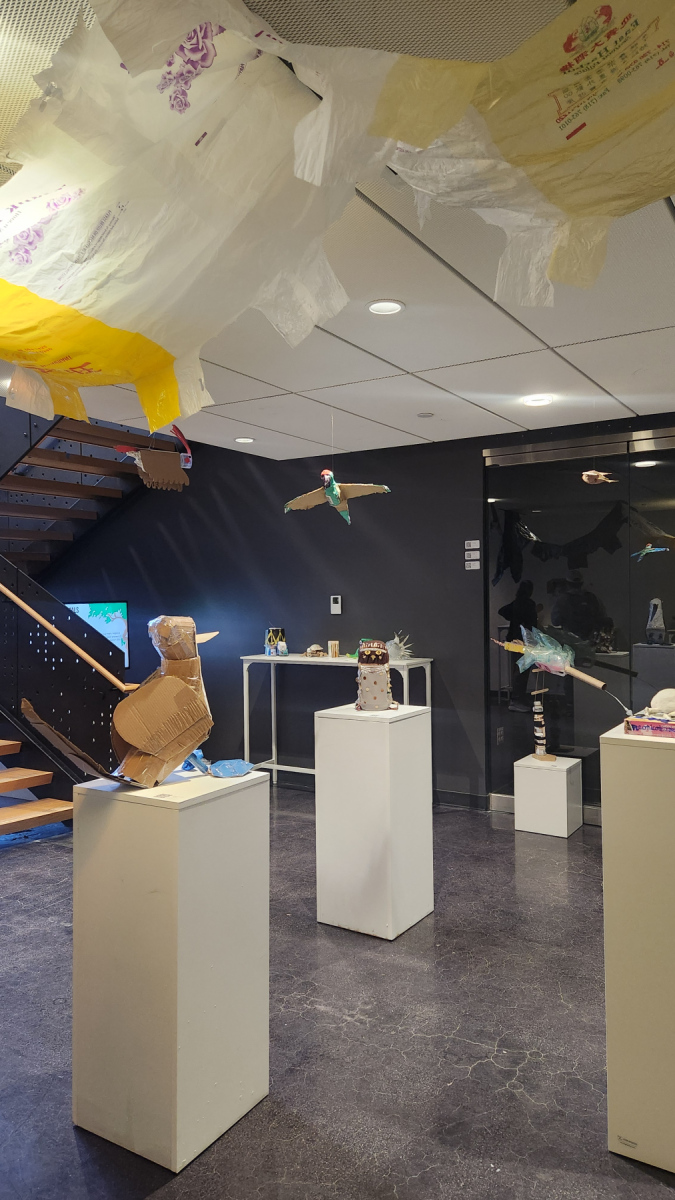
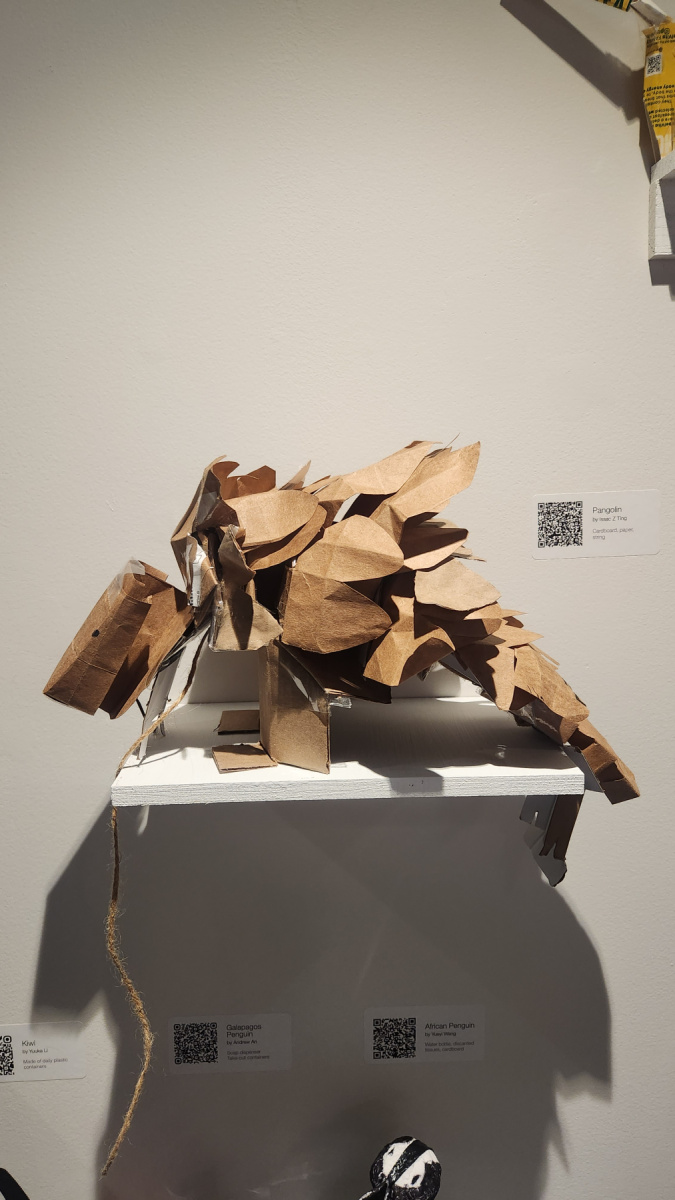
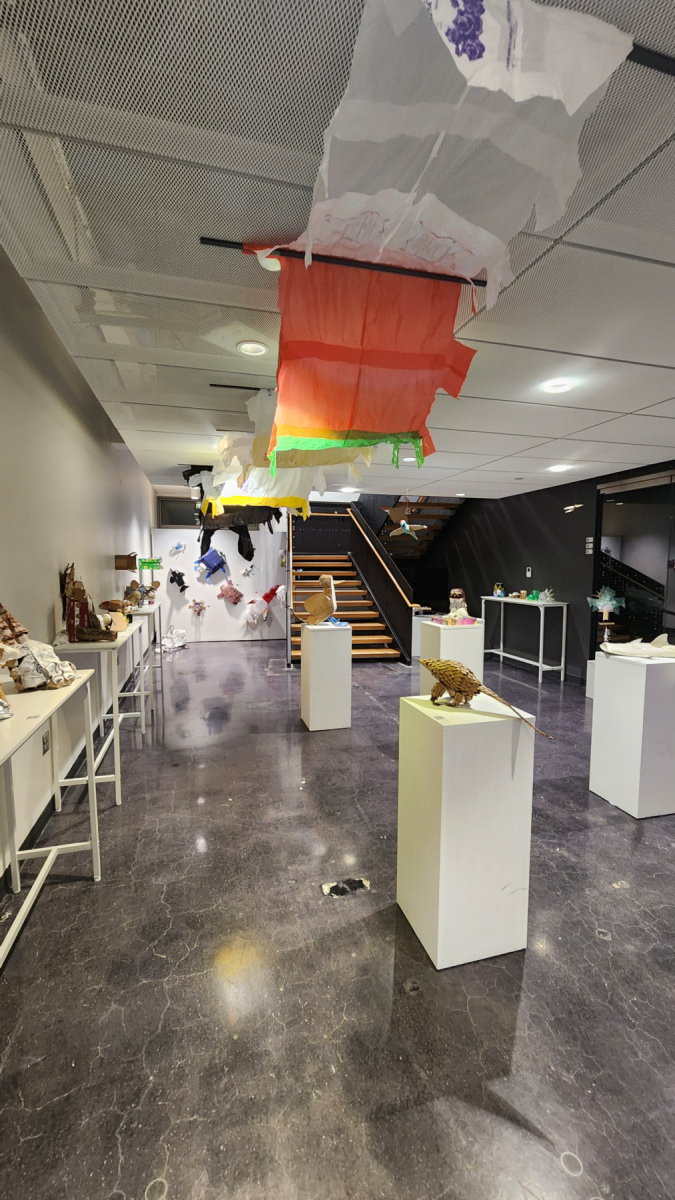
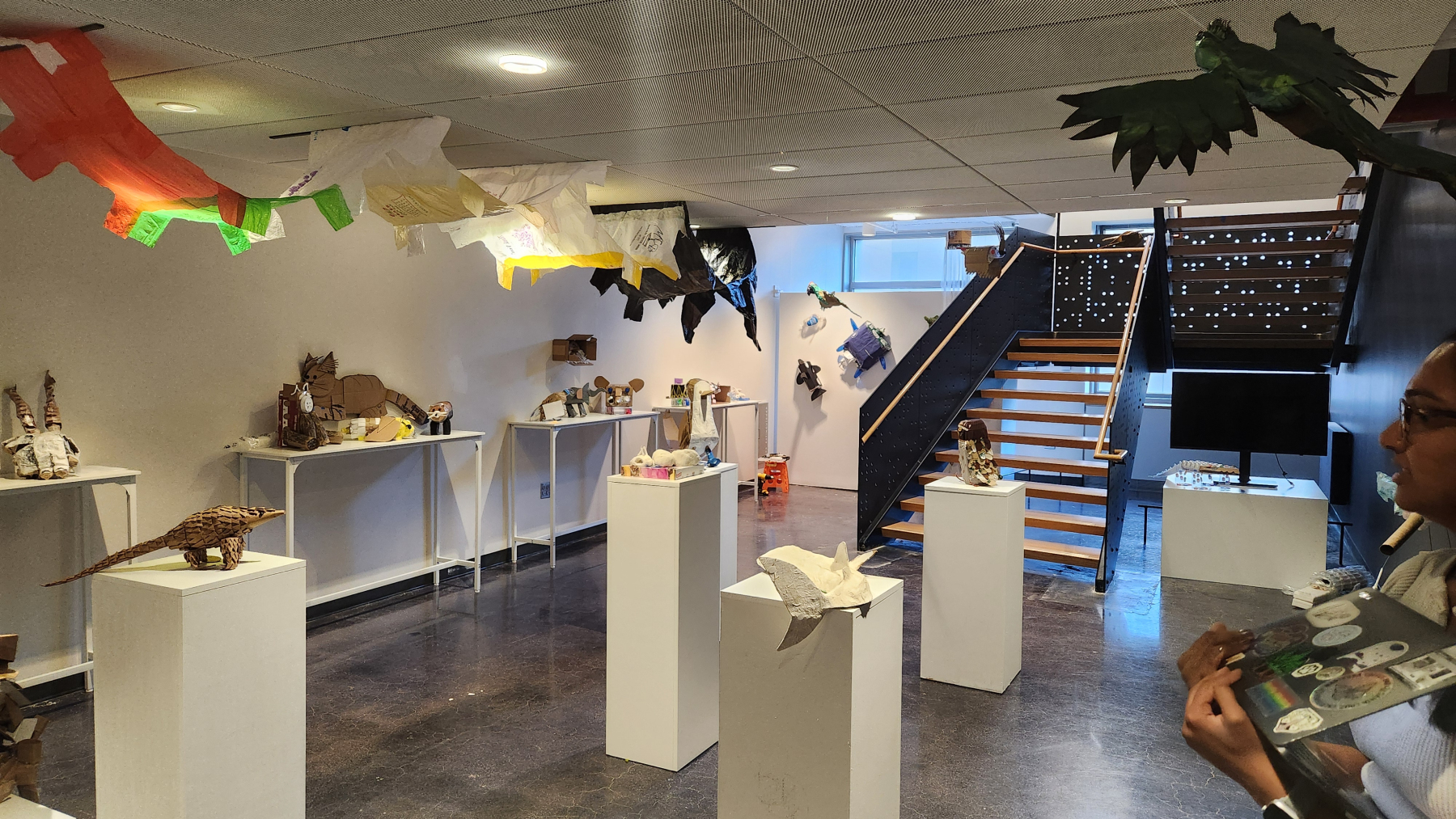
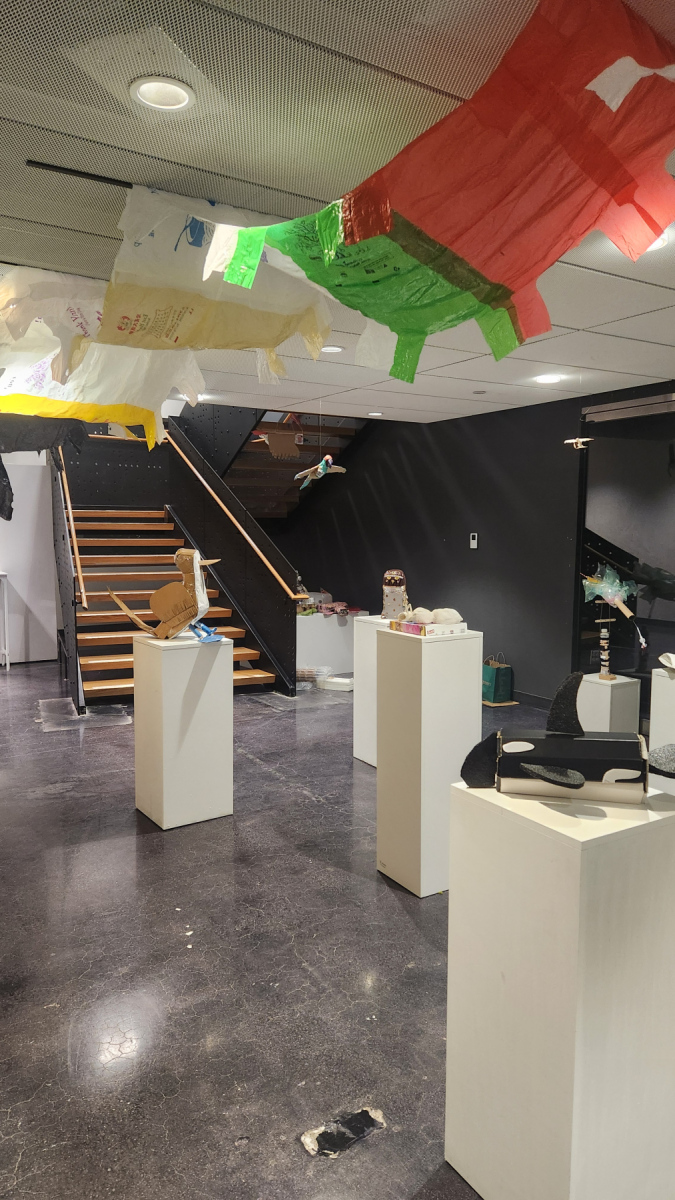
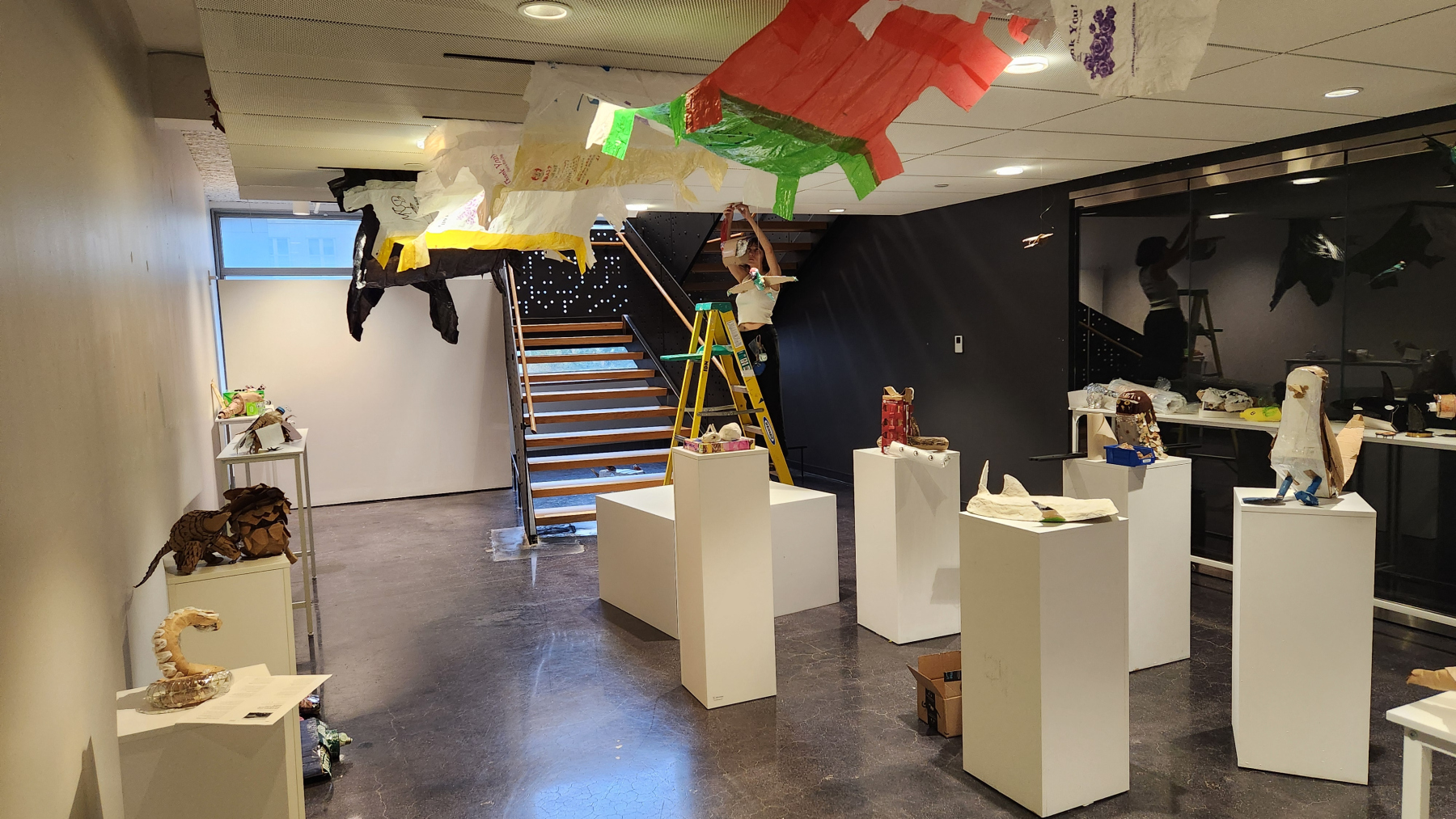
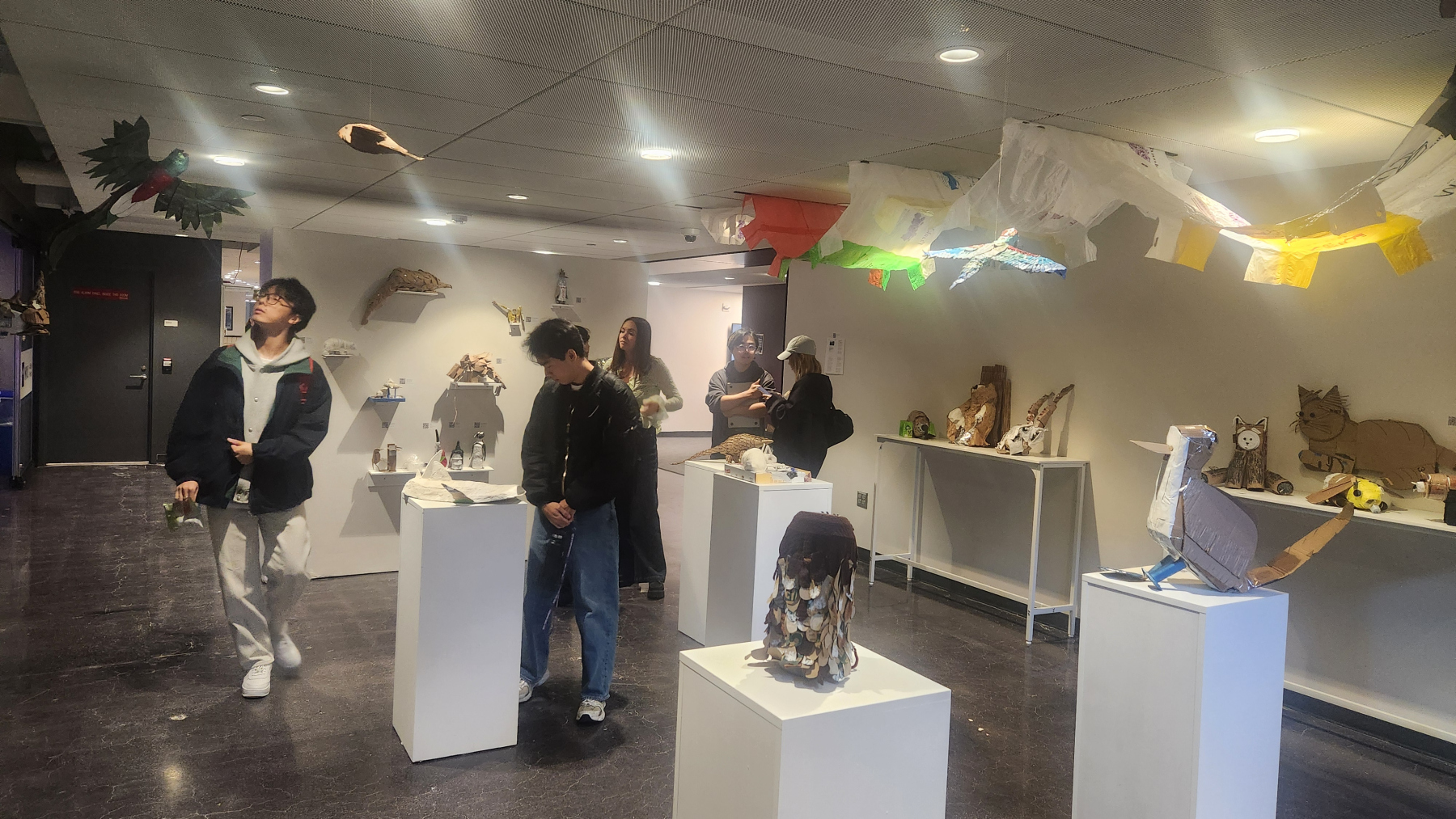
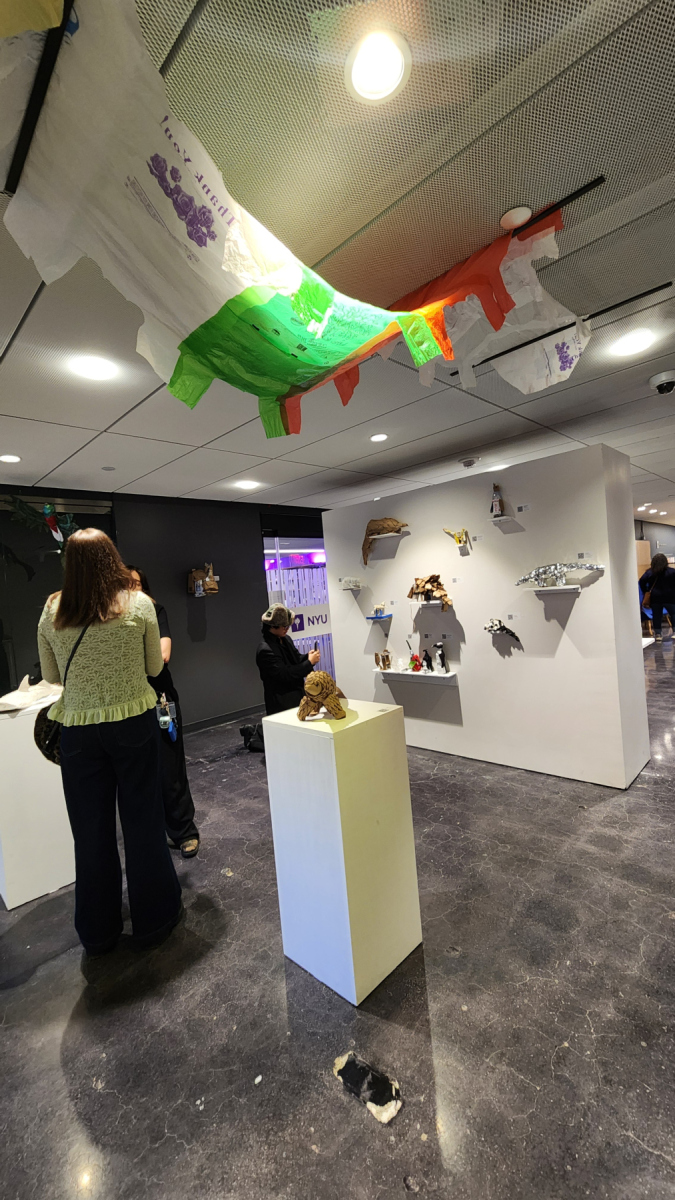
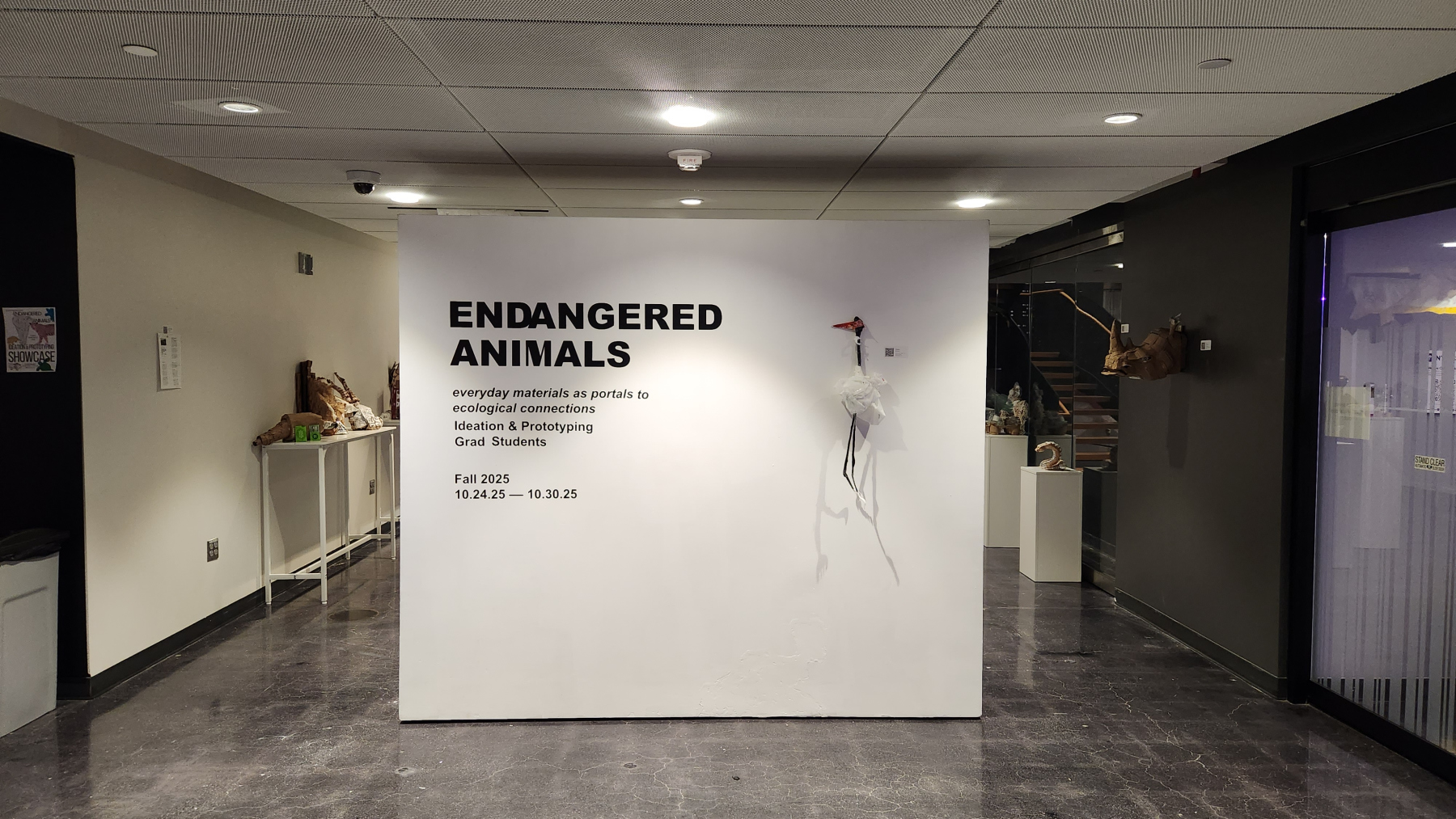
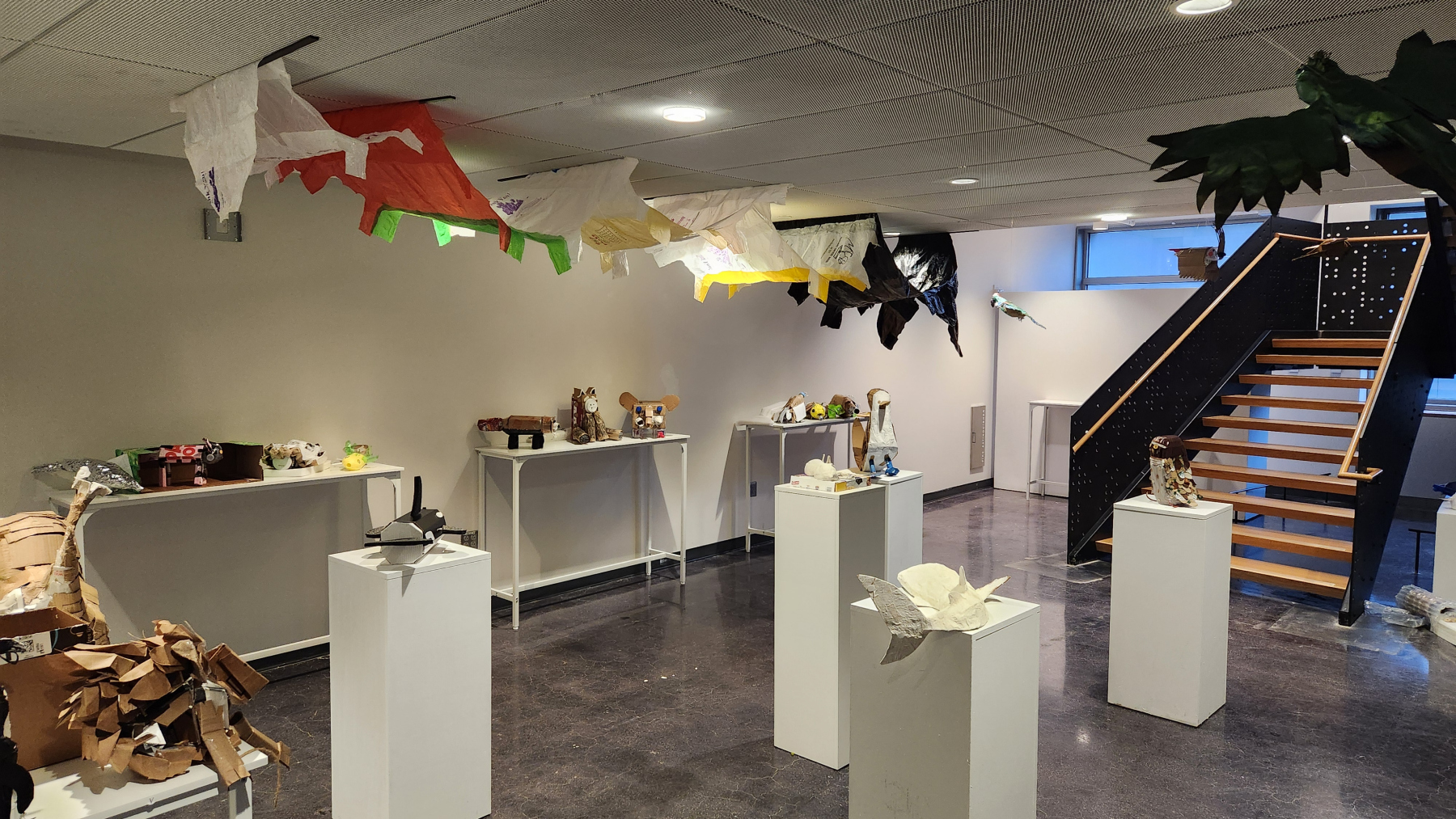
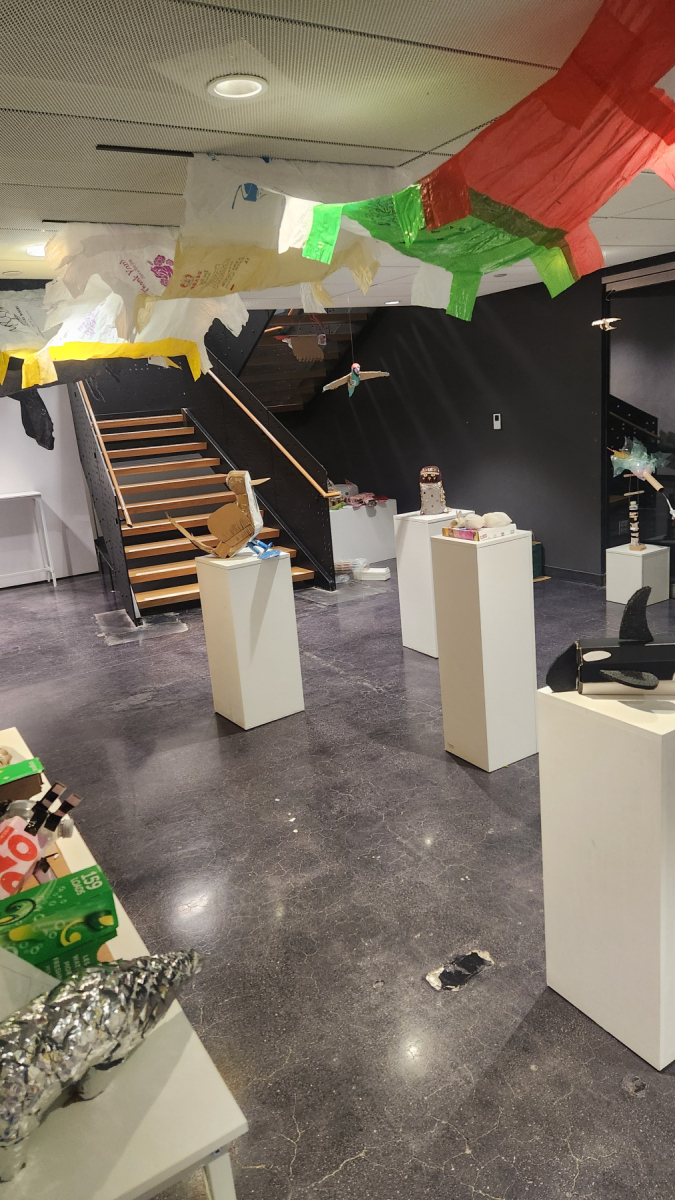
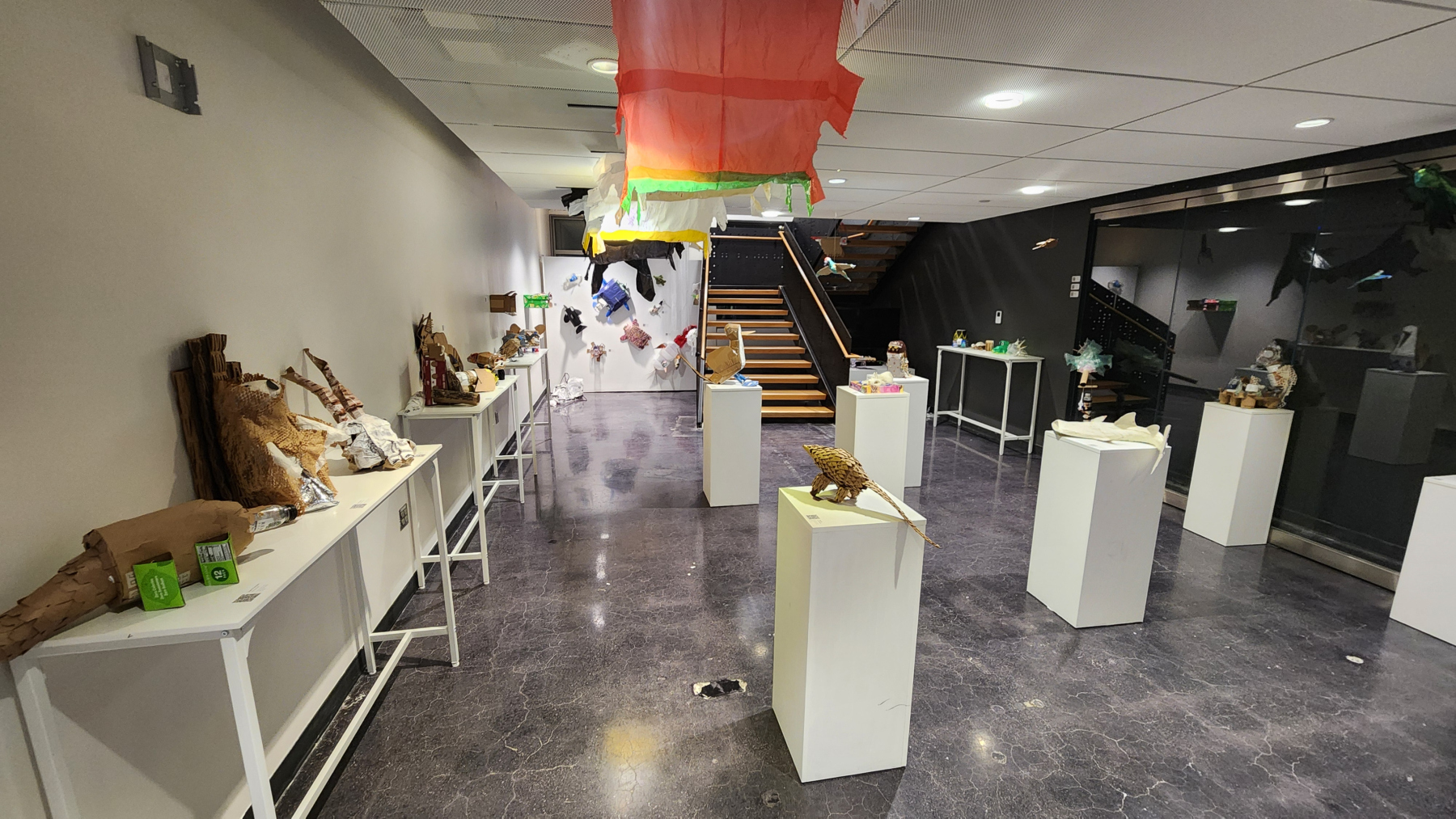
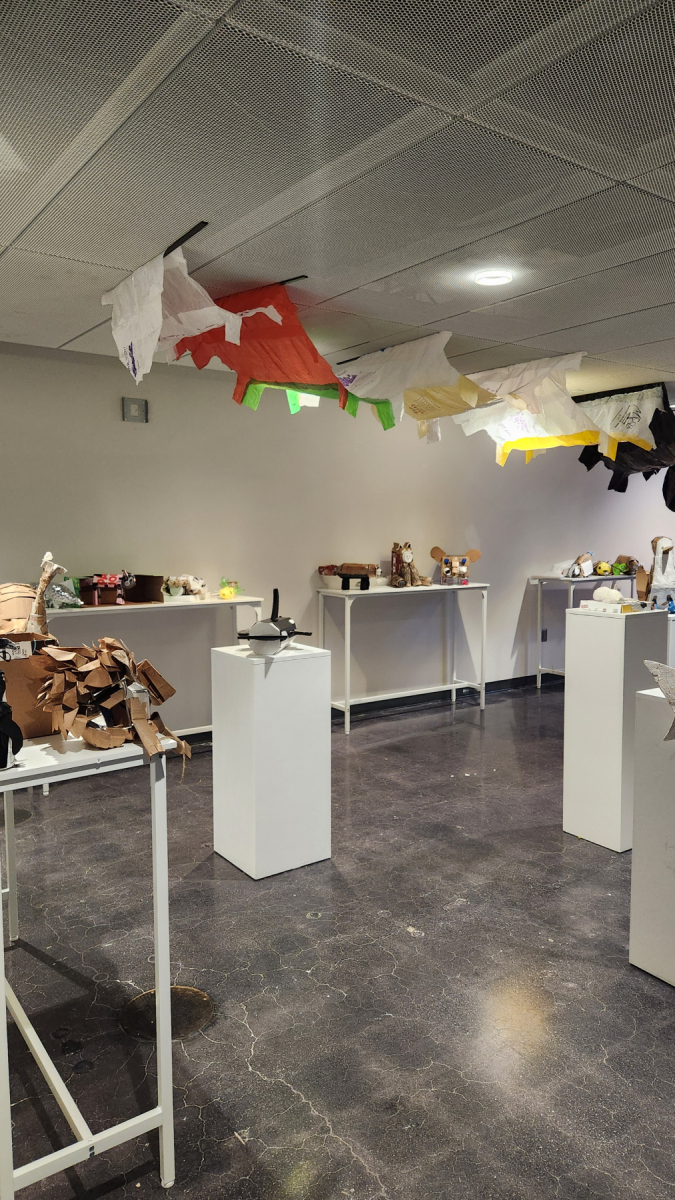
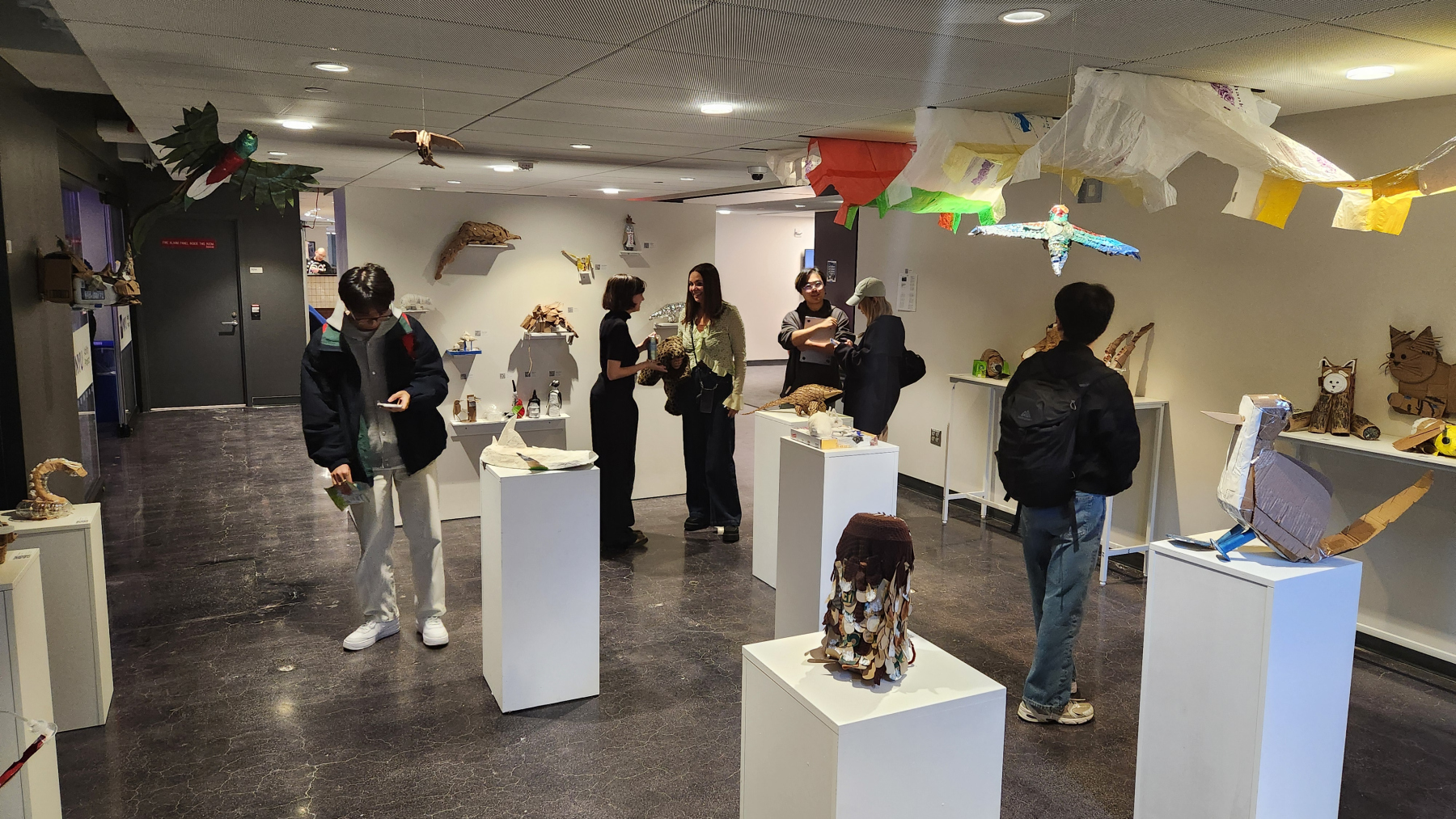
Finding new purposes for artificial things that have become ‘waste’, and using them to create new things that get people to think about the relation between the things we make or design, and their impact on our planet, its natural ecosystems, and the nonhuman world, i.e. the world of animals, plants, microbes and other beings. This is also about looking at things around us as a source of inspiration, especially taking a look at our waste from a different perspective and through a different lens and hopefully instill or support a practice of upcycling and re-use.
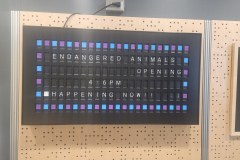
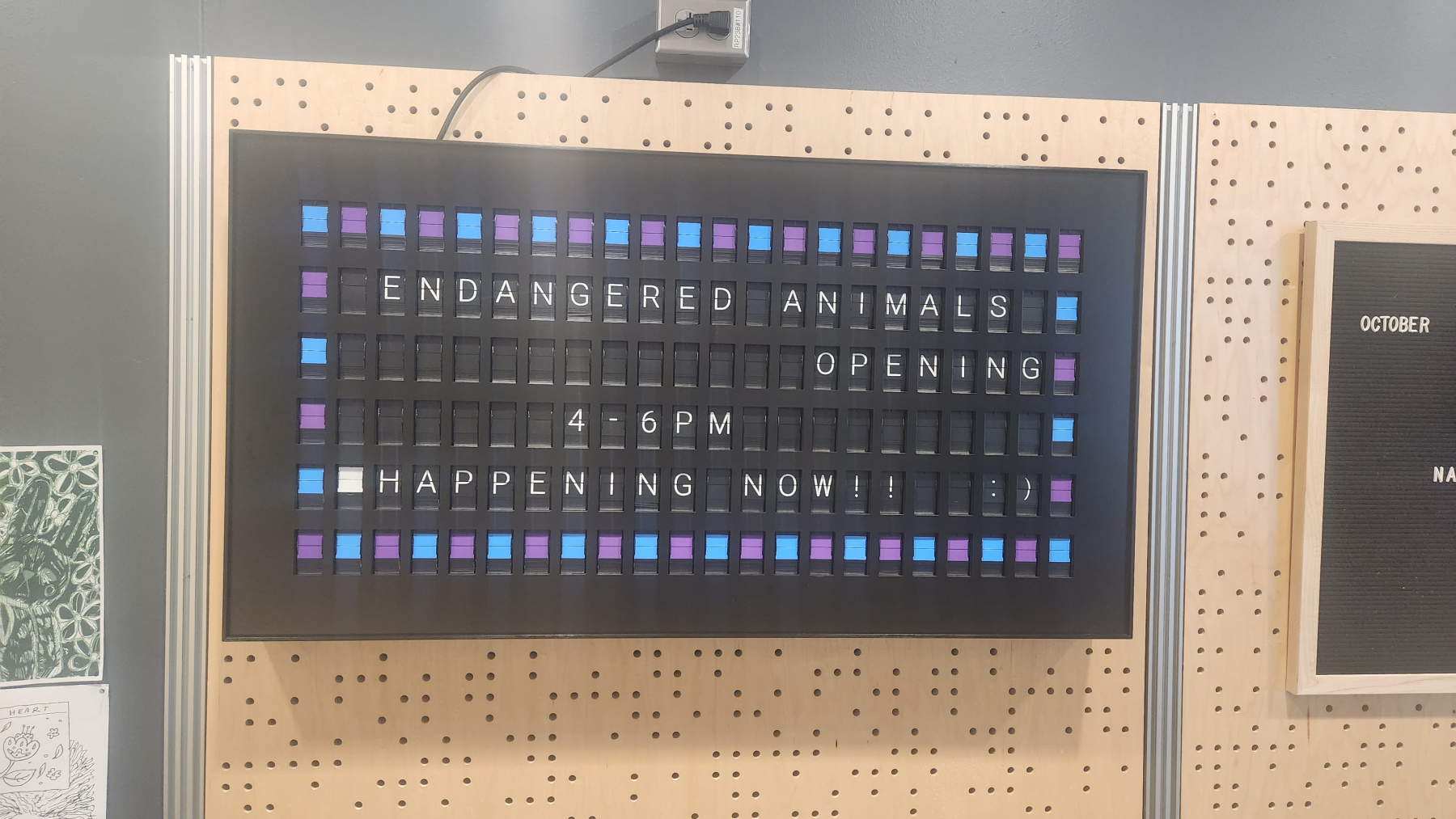
Choose an animal species that is endangered and under threat, and design and prototype a bust or model of it using the recycled materials that you’ve collected. Use any tools or materials to cut, saw, twist, reshape, mold, glue, attach any combination of recycled materials to create your animal. Design a model of the entire animal or just a part of it, but please make sure that it is identifiable as the animal you’ve chosen. Use this opportunity to make your own building materials like making your own clay, dough, glue, modeling paste etc.